-
Mobility and Remote Work Support: How Storage Solutions Empower Global Collaboration
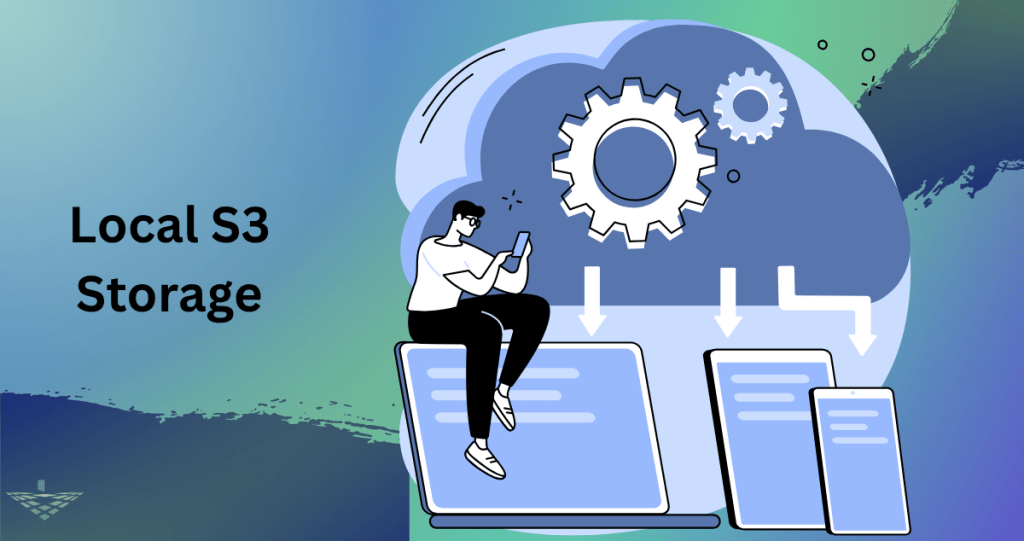
In today’s fast-paced digital world, work no longer happens within the four walls of an office. Remote teams, digital nomads, and hybrid employees are rewriting the rules—and they all have one major requirement: seamless access to data. Whether your team is spread across cities or continents, the right storage system can keep everyone connected and productive. This is where Local S3 Storage steps in as a game-changer. It allows remote workers to access, share, and collaborate on files from anywhere—without latency issues or security concerns.
Let’s explore how storage solutions like Local S3 Storage support mobility and remote work while keeping your data secure and within reach.
The Rise of Remote Work and the Need for Flexible Storage
The pandemic may have accelerated the trend, but remote work is here to stay. According to recent reports, over 60% of employees now expect to work remotely at least part-time. As companies adapt to this new normal, they face a common hurdle: enabling secure, real-time collaboration among dispersed teams.
Cloud-based and hybrid storage systems solve this challenge by making files accessible from virtually anywhere. But not every business wants to store their sensitive data on external servers. That’s why Local S3 Storage offers the best of both worlds—on-premise control with the flexibility of cloud-like access.
How Storage Solutions Enable Global Collaboration
Storage systems aren’t just about keeping files in one place—they’re the backbone of modern teamwork. Here’s how:
1. Anywhere, Anytime Access
With remote work, employees need to access files whether they’re at home, in a coffee shop, or traveling. Storage solutions that support remote access—like Local S3 Storage—make it possible for teams to pull up documents or share large datasets on the go without disruptions.
2. Seamless File Sharing and Syncing
When working with teammates across different time zones, syncing matters. Storage systems allow changes to be reflected in real-time, so everyone stays on the same page. Whether it’s a graphic designer uploading assets or a project manager reviewing timelines, having a centralized, synchronized location eliminates confusion.
3. Enhanced Security for Remote Environments
Security is critical when employees access company data from personal devices or public networks. Local S3 Storage ensures that your files are stored safely on-premise while still being remotely accessible through encrypted channels, user authentication, and granular permissions.
Benefits of Local S3 Storage for Remote Teams
Choosing Local S3 Storage for mobility and remote work support comes with unique advantages:
1. Cloud-Like Access, Local Control
With Local S3 Storage, you don’t have to sacrifice performance or control. It acts like the cloud—letting users access data over the web—but stores everything on your infrastructure. This minimizes dependence on third-party providers while improving speed and reliability.
2. Compliance-Friendly Access
For industries that must meet Data Residency, audit, or compliance requirements, storing data locally is often non-negotiable. Local S3 Storage lets you maintain full ownership of your data while still offering cloud-style accessibility to remote teams.
3. Cost-Efficient Scalability
Remote teams grow, shrink, and pivot quickly. A flexible storage solution should do the same. Local S3 Storage scales with your needs—whether that means adding more users, devices, or storage space—without the skyrocketing costs of external services.
Conclusion
As remote and hybrid work models become the norm, the way businesses store and access data must evolve. Storage solutions play a vital role in making sure teams can collaborate effectively—no matter where they are. Local S3 Storage offers a secure, scalable, and flexible option for businesses that want full control over their data while supporting a mobile workforce. It empowers productivity, enhances collaboration, and ensures that work keeps moving—even when your people aren’t in the same place.
FAQs
Q1: Can Local S3 Storage be accessed from mobile devices or tablets?
Yes, Local S3 Storage can be configured to allow secure access from mobile devices, tablets, and laptops—ensuring team members can work from any location with internet connectivity.
Q2: What kind of security features does Local S3 Storage offer for remote access?
Local S3 Storage includes features like SSL/TLS encryption, access control lists (ACLs), IP whitelisting, multi-factor authentication, and audit logs to protect data while enabling remote collaboration.
-
Enhanced Collaboration Through Smarter Storage Solutions
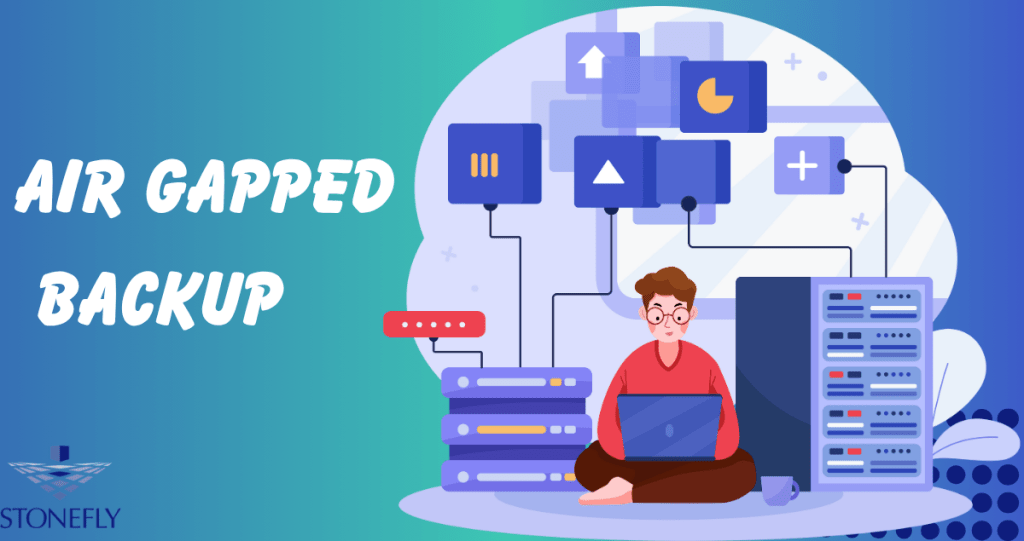
Collaborating on team projects can be challenging, especially when it comes to managing files efficiently. From juggling multiple versions of documents to endless back-and-forth email exchanges, these pain points hinder productivity. Enter storage systems, which revolutionise teamwork by allowing real-time file sharing, editing, and commenting. One critical aspect to consider for secure and seamless collaboration is the use of Air Gapped Backup. This solution ensures data security while enabling teams to focus solely on achieving their project goals without worrying about potential threats or data loss.
Below, we explore how smart storage solutions foster enhanced collaboration, the benefits of leaving outdated practices behind, and why modern tools like Air Gapped Backup are indispensable for today’s teams.
Why Collaboration Matters in Team Projects
Teams thrive when collaboration is efficient. Whether you’re working on a marketing campaign, designing a new product, or managing client deliverables, effective collaboration ensures every team member stays aligned. However, traditional methods, such as relying on email attachments to share files, create problems like:
- Version control issues where team members work on outdated drafts.
- Miscommunication due to scattered feedback across multiple emails.
- Time wastage retrieving files buried in inboxes.
By switching to storage systems designed for team use, you can overcome these barriers and work together seamlessly. Best of all, these systems enable multiple users to view, edit, and comment on a single document in real-time, keeping everyone on the same page.
The Role of Real-Time Collaboration
Real-time collaboration transforms how teams operate. Imagine working on a presentation with colleagues—someone adjusts a slide while another adds notes, and a third reviews the overall look simultaneously. Storage platforms enable instant updates like these, eliminating delays caused by consolidating changes from different team members.
Furthermore, storage systems combat the frustration of manual version tracking by logging updates automatically. This allows teams to restore earlier versions if needed and keeps everyone updated on the latest iteration.
For industries dealing with sensitive data, pairing this functionality with Air Gapped Backup ensures that the collaborative process remains not only smooth but also secure from external cyber threats. This dual focus on teamwork and data safety offers unparalleled peace of mind for organisations.
Key Benefits of Modern Storage Systems in Teamwork
1. Fluid Communication Across Teams
Collaboration-focused storage tools improve how teams communicate. Integrated commenting features allow stakeholders to provide feedback directly within files without switching between platforms or apps. This leads to clearer, more actionable communication.
2. Time-Saving Automation
Automating tasks such as file sharing, access permissions, and updates lightens the team’s workload. Employees can focus on strategic goals rather than routine processes. Plus, features like activity tracking offer instant clarity on who made what changes and when.
3. Enhanced Data Security
Collaboration doesn’t need to come at the expense of security. Features like Encrypted File sharing and Air Gapped Backup allow sensitive documents to remain protected while still accessible for collaborative purposes. Air Gapped Backup, in particular, is invaluable for organisations prioritising data resilience, as it completely isolates critical offline backups from online threats.
4. Improved Accountability
By centralising team efforts on a single platform, everyone’s contributions are logged and trackable. This eliminates questions about who performed specific actions or delivered particular updates, fostering accountability throughout the team.
Choosing the Right Storage Solution for Your Team
Not all storage systems are created equal. It’s important to evaluate tools that align with your team’s needs. Look for these essential features:
- Compatibility: Can the tool integrate seamlessly with other platforms your team uses?
- User-Friendliness: Intuitive design ensures higher adoption rates among team members.
- Security: Solutions like Air Gapped Backup provide advanced protection for sensitive data, making them highly desirable.
- Scalability: Whether your team is small or growing, the storage system should adapt to your requirements.
How to Transition to Smarter Collaboration
Adopting modern storage solutions might seem like a daunting task, but it doesn’t have to be. Begin by mapping out your team’s workflows and identifying bottlenecks or inefficiencies in file sharing and collaboration processes. From there:
- Get team buy-in. Demonstrating the benefits, such as saving time and simplifying workflows, can foster adoption.
- Provide training. Ensure every team member understands how to utilise collaborative tools effectively.
- Set usage protocols. Define guidelines for file organisation, access permissions, and backup schedules to ensure consistency.
Integrating tools like real-time editing systems alongside Air Gapped Backup guarantees your team remains both productive and protected, no matter the complexity of your projects.
Conclusion
Collaboration is the lifeblood of successful team projects, but the tools you use can make all the difference. Upgrading from outdated file-sharing practices to modern storage systems empowers teams to work smarter, not harder. By leveraging real-time editing, enhanced communication features, and robust security measures like Air Gapped Backup, organisations can unlock the full potential of their collaborative efforts. Equip your team with the right solutions today and watch the barriers to productivity crumble.
FAQs
Q1. What is Air Gapped Backup, and how does it enhance collaboration security?
Air Gapped Backup refers to a backup method where data is stored offline, disconnected from the main network. This isolation protects sensitive files from online threats like ransomware attacks while allowing secure recovery in case of disaster. For teams, it’s a fail-safe that ensures collaborative projects remain uninterrupted.
Q2. Can small businesses benefit from collaborative storage systems?
Absolutely! Collaborative storage systems streamline workflows, save time, and improve communication—all critical advantages for small businesses with limited resources. Additionally, features like automated updates and secure backups reduce the burden of manual processes, allowing small teams to focus on growth.
-
Solving Inefficient Data Sharing with Air-Gapped Network Solutions
In today’s fast-paced digital world, collaboration is everything. But what happens when teams struggle to share data efficiently? That’s where the problem of inefficient data sharing comes in. When multiple departments, applications, or teams operate in silos, the lack of centralized and permission-controlled storage systems causes communication breakdowns, delays in decision-making, and security risks. One highly effective way to solve this is through the use of an Air Gapped network—a secure, isolated environment that offers controlled access, enhanced privacy, and long-term data protection. An air-gapped network ensures your data isn’t just secure, but also accessible in a controlled, structured manner. It’s not just about isolation—it’s about smart collaboration under strict safeguards. And yes, an air-gapped network can actually improve how your teams collaborate, not hinder it.
The Real Problem: Inefficient Data Sharing in Modern Workflows
Data Silos and Miscommunication
When organizations use fragmented storage systems across various departments, each with its own permissions and access tools, data silos begin to form. These silos slow down internal communication and make it difficult for team members to find, access, or trust the data they need. For example, marketing may not have access to updated product specs from engineering, or finance may struggle to verify data coming from multiple project teams.
Lack of Centralized Control
Without a unified platform for managing who has access to what data, organizations run into problems with compliance, data leakage, and duplication. If a file needs to be updated and distributed across departments, everyone may end up working on different versions. There’s no master copy, no audit trail, and no visibility into who accessed or modified the data.
Why Traditional Sharing Methods Fall Short
Cloud-Based Solutions Aren’t Always the Answer
While many businesses rely on cloud storage or file-sharing tools, these solutions come with their own set of problems. Security vulnerabilities, external threats, and a lack of granular access control make them unreliable for sensitive or mission-critical collaboration.
Also, internet-dependent platforms can experience downtime, putting workflows at risk. They may be fine for casual sharing but not for tightly controlled, enterprise-level collaboration.
Air-Gapped Network: A Secure and Efficient Solution
What Is an Air-Gapped Network?
An air-gapped network is a system that is physically isolated from unsecured networks, including the internet. It’s like having a vault for your digital assets—completely cut off from potential external threats. But it’s more than just a security tool. With proper configuration, air-gapped systems can support controlled internal access, allowing authorized users or teams to collaborate safely and efficiently.
Improved Permission Control
One of the key benefits of an air-gapped network is that access can be tightly regulated. Permissions can be role-based, meaning each user or department can only access the data they are authorized to see or edit. This setup dramatically reduces the chance of unauthorized changes, accidental deletions, or data misuse. Centralized storage within the air-gapped environment ensures that everyone works off the same data version.
Secure Collaboration Zones
With an air-gapped network, organizations can create secure “collaboration zones” where sensitive projects are worked on collectively by approved personnel. These zones can be monitored, logged, and audited to meet internal policies or external compliance requirements.
Conclusion: Smart, Secure Collaboration Starts with Isolation
Inefficient data sharing doesn’t just slow down operations—it opens the door to risk, confusion, and wasted resources. For organizations that deal with sensitive data or need strict control over access and permissions, an air-gapped network offers the best of both worlds: high-level security and smart, centralized collaboration. It’s time to stop thinking of air-gapping as just a safety measure—and start seeing it as a collaboration enabler.
FAQs
Q1: Is an air-gapped network only for security, or can it really help with team collaboration too?
An air-gapped network is not just about security. When configured with centralized access and role-based permissions, it becomes a powerful tool for structured, secure collaboration. Teams can safely share data without risking leaks or versioning errors.
Q2: Doesn’t an air-gapped network slow things down by cutting off internet access?
Not necessarily. While it’s disconnected from the internet for safety, internal systems within the air-gapped network can be optimized for speed, automation, and shared workflows. You get the benefit of collaboration without the exposure to external threats.
-
Concurrency Conflicts: Why Your Data Might Be at Risk and How to Fix It
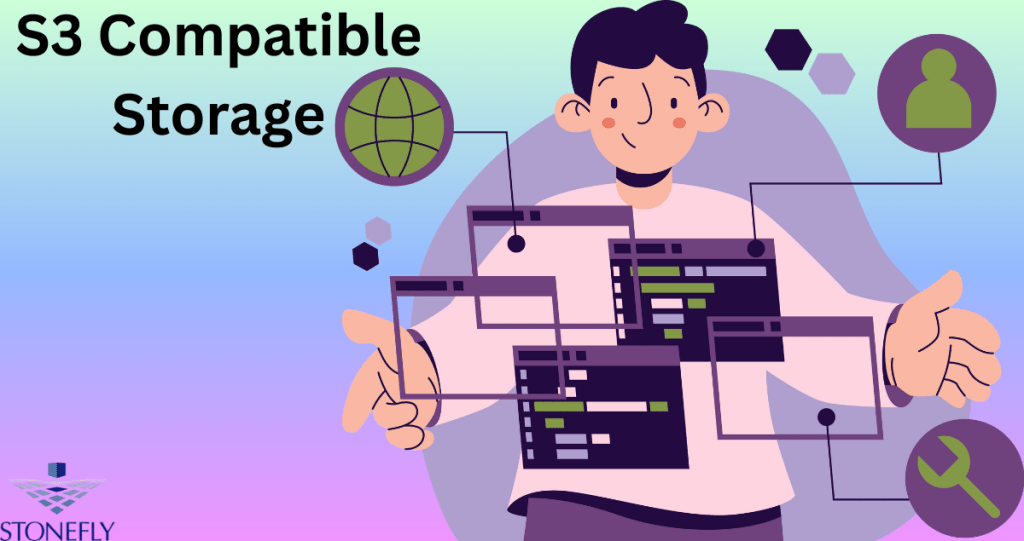
In today’s fast-paced digital world, multiple users or applications accessing the same data at once is common. But what happens when they try to edit that data simultaneously? That’s when concurrency conflicts rear their ugly head—potentially corrupting valuable information and causing massive operational headaches. The absence of proper locking or isolation mechanisms during these simultaneous accesses can leave data incomplete, inconsistent, or even lost. That’s where S3 Compatible Storage becomes a critical solution, offering advanced mechanisms for versioning, conflict resolution, and concurrent access handling. With the right storage infrastructure in place, businesses can avoid chaos and keep their data clean, consistent, and reliable.
Understanding Concurrency Conflicts
Concurrency conflicts happen when two or more processes attempt to modify the same file or dataset at the same time. For example, imagine two engineers editing a shared document simultaneously. Without a system to manage that overlap, one engineer’s changes could override the other’s—or worse, both versions get jumbled, and the file becomes unusable.
This isn’t just a minor inconvenience—it can have serious consequences in environments like financial services, healthcare, or e-commerce where accuracy and data integrity are non-negotiable.
Types of Concurrency Conflicts
There are several ways concurrency can create chaos:
- Lost Updates: When one user’s changes overwrite another’s without any warning or merging.
- Dirty Reads: One process reads data that’s been modified by another but not yet committed, leading to unreliable results.
- Non-repeatable Reads: A value is read twice during a transaction, but its value changes because another process updated it in between.
All these issues boil down to a lack of coordination between users and systems accessing shared data.
Why Traditional Storage Falls Short
Traditional file systems and local network storage often lack the features needed to manage concurrent access. They might allow locking, but they don’t scale well for cloud-native or hybrid environments. Worse, some don’t support version control or isolation, meaning once a conflict occurs, recovery is difficult or even impossible.
Applications like CRMs, ERPs, and collaborative platforms need more robust mechanisms that can handle a growing number of users without risking data corruption.
Solving the Problem with S3 Compatible Storage
Here’s where S3 Compatible Storage steps in as a powerful solution. Built with scalability, durability, and modern application requirements in mind, it offers several key features that mitigate concurrency issues:
1. Object Versioning
Each time a file is changed, a new version is created instead of overwriting the old one. This means no update is lost—even if multiple users access the same object simultaneously. You can always roll back to a previous version if needed.
2. Atomic Operations
S3-compatible systems treat each write operation as atomic. That means even if 10 people are trying to write to a file, the system ensures that no partial changes are written and no corrupt data sneaks in.
3. Optimistic Locking and ETag-based Updates
Instead of locking files for exclusive access, these storage systems use metadata like ETags to ensure changes are applied only if the object hasn’t been updated by someone else. If it has, the application can retry or prompt the user to resolve the conflict.
With these features, S3 Compatible Storage creates a conflict-resilient environment where concurrent operations no longer pose a threat to Data Integrity.
Real-World Applications
Whether you’re dealing with distributed teams collaborating on design files or financial systems processing simultaneous transactions, concurrency-safe storage is crucial.
For example:
- DevOps Pipelines: When multiple CI/CD tools read and write logs and artifacts, versioning avoids overwrites.
- Media Workflows: Editors working on video projects can save their progress without disrupting others.
- Scientific Research: Concurrent data logging from multiple sensors can be organized without data collision.
Conclusion
Concurrency conflicts aren’t just a technical nuisance—they can cripple entire workflows if left unchecked. As data volumes grow and collaboration becomes more dynamic, ensuring data consistency becomes non-negotiable.
By adopting S3 Compatible Storage, businesses can introduce intelligent mechanisms like object versioning, atomic writes, and optimistic locking—all of which help maintain data integrity even under heavy concurrent use. It’s a modern, scalable way to stay ahead of the chaos that concurrency can bring.
FAQs
Q1: Can concurrency conflicts occur even in small teams or systems?
Yes, concurrency issues aren’t limited to massive enterprise systems. Even in small teams, if multiple users or apps access the same files simultaneously without proper controls, conflicts can arise.
Q2: How does S3 Compatible Storage compare to traditional NAS for concurrency?
While NAS may allow file locking, it often lacks features like versioning and atomic operations. S3 Compatible Storage is designed for modern, multi-user environments and scales far more efficiently while providing conflict-resilient access.
-
Overcoming Limited Metadata Support with S3 Compatible Object Storage
In today’s data-driven world, information is growing not just in volume but also in complexity. From images and videos to logs and sensor data, much of this content is unstructured — and without rich metadata, it becomes incredibly hard to manage. Traditional file systems often fall short here. They offer only basic metadata fields like file name, size, and timestamps. That’s hardly enough for modern analytics, intelligent search, or classification tasks. This is where S3 Compatible Object Storage comes in as a powerful solution, designed to handle and index rich metadata seamlessly.
Let’s explore the limitations of legacy file systems and how object storage modernizes data handling and analysis.
Understanding the Limitations of Traditional File Systems
Basic Metadata, Big Problem
Most standard file systems (like NTFS, FAT32, or ext4) were never designed with today’s data complexity in mind. They support only a limited set of metadata fields — typically things like:
- File name
- Creation and modification dates
- File size
- Permissions
While these basics might be fine for simple storage needs, they’re insufficient for large-scale applications like machine learning, content management, or regulatory compliance, which demand a richer context around each file.
Why Rich Metadata Matters
Imagine trying to find a specific video clip in a database of 10,000 surveillance files. If all you have is the file name and date, that search could take forever. But what if each video was tagged with metadata like camera location, motion detected, faces recognized, and incident type?
That’s the power of rich metadata — and it enables:
- Fast Search & Retrieval: Quickly locate content based on tags, descriptions, or indexed attributes.
- Smart Classification: Automatically group and categorize files for easier organization.
- Advanced Analytics: Enable AI/ML tools to process metadata and derive actionable insights.
Enter S3 Compatible Object Storage
What Makes Object Storage Different?
S3 compatible object storage doesn’t treat data like traditional files and folders. Instead, it stores data as objects, each of which includes:
- The actual data (e.g., an image, video, log file)
- A unique identifier
- Custom metadata — and lots of it
Unlike basic file systems, object storage allows users and applications to attach virtually unlimited metadata to every object. This flexibility opens the door to smarter storage, streamlined operations, and better data governance.
Real-World Use Cases
Here’s how S3 compatible object storage transforms industries:
- Healthcare: Tag medical images with patient IDs, scan types, and diagnoses for rapid retrieval.
- Media & Entertainment: Organize massive video libraries using genre, actors, keywords, or timestamps.
- Scientific Research: Catalog experiments and sensor data with variables, conditions, and results.
- Legal & Compliance: Archive sensitive files with classification levels, audit trails, and legal holds.
And the best part? All of this happens seamlessly, without overhauling your existing infrastructure, thanks to its S3 compatibility.
Metadata-Driven Benefits of Object Storage
Enhanced Search and Discovery
S3 compatible object storage makes finding the right file less like looking for a needle in a haystack — and more like using a GPS. Advanced search capabilities rely on user-defined metadata, so files can be located using keywords, tags, or custom attributes.
Automated Workflows
Rich Metadata supports automation tools. Want a system to automatically archive files older than 5 years or send alerts when sensitive data is uploaded? Object storage metadata makes it possible.
Scalability Without Chaos
With support for billions of objects and virtually limitless metadata, object storage can scale with your needs while keeping everything organized and searchable.
Conclusion
Legacy file systems just can’t keep up with modern data demands — especially when it comes to metadata. Their limitations create barriers to discovery, automation, and insight. In contrast, S3 compatible object storage provides the flexibility and intelligence organizations need to thrive in today’s data-first landscape. By supporting extensive custom metadata, it empowers businesses to classify, analyze, and manage data at scale — all without sacrificing speed or control.
FAQs
Q1: What is metadata, and why is it important for data storage?
A: Metadata is data about data — like tags, descriptions, or attributes — that helps identify, classify, and search for files. It adds context to content, making it easier to manage and retrieve.
Q2: How does object storage handle metadata differently than file systems?
A: Object storage allows for unlimited, customizable metadata per object. File systems, on the other hand, support only basic fields like file size and timestamps.
-
Protecting Data from Sync Failures with Immutable Backup Copies
Bugs in backup software aren’t rare. Whether it’s a misconfigured script or a flawed update, these issues can lead to accidental deletions, data corruption, or overwrites—especially during scheduled sync operations. For teams depending on reliable backups, these risks pose a serious threat to data integrity and business continuity.
One of the most effective ways to protect against this is to create a secondary backup copy that is immune to software errors. That’s where isolated object storage copies come in.
Why Live Backups Alone Aren’t Enough
Live systems constantly change. That includes the backup environments if they’re set to auto-sync. If the source system deletes or corrupts a file, and the backup software blindly syncs those changes, the damage spreads. You lose both the original and the backup.
A smarter approach involves keeping a fixed, read-only version of the data.
A Safety Net with S3 Compatible Storage
By storing backup data in S3 Compatible Storage, you get a snapshot-style copy that doesn’t auto-sync with changes made on the live environment. This static version acts like a safety net. If something goes wrong—like a software bug deleting files—the backup stays untouched. That makes recovery fast and reliable.
With the right policies in place, data written to this type of storage can’t be modified or deleted unintentionally. The system treats stored files as frozen, which is exactly what you want when automation goes wrong.
Common Failure Scenarios You Can Avoid
1. Faulty Cron Jobs and Automation Scripts
Automated scripts may misfire due to bugs or version mismatches. One wrong variable or path can wipe out large volumes of data. If your only backup is syncing in real time, the mistake replicates instantly.
Having a copy stored in a static environment means there’s always a fallback—even if your automation breaks.
2. Backup Software Updates with Bugs
Updates sometimes introduce issues instead of solving them. If a new version of your backup tool fails to recognize existing files or changes sync behavior, your data could be overwritten or lost. You wouldn’t notice the error until it’s too late.
A read-only archive ensures that even if your latest backup goes bad, you can still recover clean data from the previous static copy.
3. Misconfigured Deletion Rules
Some backup tools come with auto-deletion features based on retention policies or storage quotas. A misconfigured rule might delete active or recent Data, thinking it’s expired. You can’t rely on software to always understand your data’s value.
Storing files in an isolated object storage layer prevents these deletions from affecting your critical backups.
How to Build a Safer Backup Workflow
Step 1: Split Backup Targets
Separate your live backup from your immutable archive. Let the software sync to a local or hot storage layer, but push a second copy to object storage with restricted permissions. This split ensures a bug in one system doesn’t affect both layers.
Step 2: Disable Sync on Archive Storage
Use write-once-read-many (WORM) policies, versioning, or retention rules to keep your static copies locked. Even if a system or human error triggers a delete on the source, the archived data remains safe.
Step 3: Regularly Audit Backup Integrity
Just because a copy is static doesn’t mean it’s infallible. Use periodic checks to confirm the backup matches expected states and hasn’t been tampered with. A trusted archive should pass integrity checks without fail.
Conclusion
Live backups are only as good as the software running them. Bugs, failed updates, and flawed scripts can destroy data in seconds. The solution? Keep a clean, unchangeable backup copy isolated from automated processes. Using S3 Compatible Storage as a frozen snapshot helps you recover quickly—no matter what went wrong with your primary system.
The cost of not having an immutable backup is far greater than the time it takes to set one up. It’s a small change that provides long-term security against errors you can’t predict.
FAQs
Q1: Can I restore individual files from a static object storage backup?
Yes. Most object storage systems allow file-level access through standard tools or APIs. You can recover individual files without restoring the full archive.
Q2: How often should I update my immutable backup?
That depends on how often your data changes. For critical systems, a daily or hourly push might be ideal. Just make sure the update process creates new versions without deleting or overwriting old ones.
-
Protecting Truth: How Isolation and WORM Policies Safeguard Data Integrity
In environments where data accuracy and preservation are non-negotiable, ensuring that information remains unchanged is a top priority. Whether it’s legal evidence, medical records, or backup archives, the integrity and immutability of data are often what stands between a resolved incident and a costly disaster.
The Role of Physical Isolation and WORM in Data Security
To keep data safe from tampering, deletion, or corruption, some systems use a combination of physical separation and special storage rules. These setups are engineered to limit exposure and create strict controls around who can access data and what actions they can perform.
A use of Air Gapped Network is one of the most reliable ways to achieve this. These systems are physically disconnected from external networks and rely on write-once-read-many (WORM) policies to lock down data. Once data is written, it cannot be altered or erased. This creates a permanent record that can’t be edited retroactively—a crucial feature in fields that demand transparency and accountability.
Why WORM Matters
Unchangeable Records
WORM-compliant storage helps create a digital time capsule. Whether you’re logging financial transactions or storing chain-of-custody evidence, WORM ensures the data is kept exactly as it was at the time of writing.
Regulatory Compliance
Industries such as healthcare, finance, and law are governed by strict regulations that require immutable records. WORM not only helps meet these standards but also simplifies audits and inspections. When regulators see that your storage system enforces immutability, it reduces the burden of proof on your end.
Protection against Mistakes and Malice
Human error is inevitable. Accidental deletions, misfiled documents, or overwrites can wreak havoc on a company’s operations. Immutability acts as a safety net. If someone tries to remove or replace a file, the system won’t allow it. It’s just as useful in the event of malicious activity—Ransomware, for instance, can’t encrypt what it can’t change.
Applications in Real-World Scenarios
Forensic Investigations
During an investigation, preserving evidence exactly as it was found is crucial. Logs, emails, and system snapshots stored on Air Gapped Network are immune to tampering. This ensures investigators and legal teams can rely on the data’s authenticity.
Audit Trails
Public companies, non-profits, and government agencies must be able to produce clear and verifiable audit trails. Air Gapped Network with WORM storage are an ideal match. These systems make it easy to demonstrate compliance and quickly respond to audit requests.
Disaster Recovery
When data is deleted—whether by mistake or intention—restoring from an untouched archive can mean the difference between downtime and continuity. Air Gapped Network play a critical role here by keeping a pristine copy of essential files ready for recovery.
The Limits of Immutability
While these systems are powerful, they’re not immune to all risks. If the original data written to storage is wrong, that error becomes permanent. That’s why it’s essential to verify data before it’s committed to a WORM archive. Also, Air Gapped Network must be physically secured and monitored to prevent unauthorized access.
Conclusion
For organizations that require unalterable records and long-term reliability, using physical isolation with WORM policies offers peace of mind. The combination prevents unauthorized changes, supports compliance, and preserves the accuracy of critical data. Whether it’s for audits, legal cases, or data recovery, this approach makes sure your digital records remain trustworthy and intact.
FAQs
Q1: Can WORM storage be used in cloud environments?
Yes, some cloud services offer WORM-compliant storage options. However, they don’t provide the same physical separation as air-gapped so they may be more exposed to cyber threats.
Q2: What industries benefit most from immutable storage?
Industries like finance, healthcare, law, and government benefit significantly due to the legal and regulatory importance of maintaining unalterable records. These sectors often adopt Air Gapped Network to ensure maximum data security.
-
How Cloud Storage Accelerates Life Sciences Research
Life sciences research—especially genomics, proteomics, and drug discovery—generates massive datasets daily. Sequencing machines, lab equipment, and collaborative platforms churn out terabytes of structured and unstructured data. Storing, accessing, and analyzing this data efficiently is no longer a luxury—it’s a necessity. That’s where cloud storage steps in, offering speed, scale, and resilience that traditional storage can’t match.
Cloud-based platforms help researchers overcome hurdles like limited storage, access delays, and compliance issues. One option that supports this shift is Local S3 Storage, which provides scalable on-premise storage with cloud-like capabilities. It allows labs to manage sensitive data closer to the source, while still integrating with cloud workflows.
The Challenge: Massive Data Volumes
Next-generation sequencing (NGS) alone can generate up to 1 TB of data per genome. Multiply that by hundreds or thousands of samples, and the storage demands grow exponentially. Traditional storage systems can’t scale fast enough to keep up.
Cloud storage solves this problem by providing virtually unlimited capacity. Researchers can upload raw datasets, intermediate results, and analysis outputs without worrying about running out of space. They can also archive older data in cost-efficient tiers without deleting it.
Faster Access to Data
Time matters in research. Long data retrieval times slow down experiments and delay publications. Cloud storage platforms minimize this lag through built-in caching, edge delivery, and optimized access speeds.
Some solutions even support Local S3 Storage caching layers, reducing latency for frequently accessed files. This speeds up analysis and lets teams iterate on hypotheses faster.
Collaboration Without Boundaries
Life sciences projects often involve multiple institutions—universities, biotech firms, hospitals—spread across the globe. Sharing data securely and reliably across borders can be difficult with on-prem storage alone.
Cloud storage offers centralized access, letting teams from different locations upload, review, and analyze the same data in real-time. Role-based access controls and logging features ensure data security during collaboration.
Compliance and Data Security
Handling patient data or clinical trial records means complying with regulations like HIPAA, GDPR, and GxP. Cloud platforms offer compliance-ready infrastructure, with built-in features for Encryption, audit trails, and access monitoring.
Many solutions also support data residency requirements, letting organizations keep sensitive data in specific geographic locations. Encryption at rest and in transit, along with key management, adds another layer of protection.
Use Cases in Life Sciences
Genomics and Bioinformatics
Bioinformatics pipelines often require access to large reference datasets, genome assemblies, and alignment tools. Cloud storage makes it easy to host these files in shared buckets, reducing duplication and download times.
Drug Discovery
Pharma R&D teams can quickly scale up or down their data storage needs depending on the stage of drug development. Simulation results, compound libraries, and assay data are stored and retrieved with ease, enabling agile development.
Imaging and Microscopy
High-resolution imaging from electron microscopes or MRI scanners creates data-heavy files. Cloud storage allows researchers to store, catalog, and search these images efficiently, making them available for AI-based analysis.
Conclusion
Cloud storage removes the bottlenecks that once held life sciences research back. With scalable capacity, faster access, and built-in compliance features, it helps researchers focus on science—not infrastructure. Whether you’re sequencing genomes, running simulations, or analyzing microscopy data, cloud solutions provide the performance and flexibility needed to push discovery forward.
FAQs
How does cloud storage ensure data integrity in life sciences research?
Cloud platforms often use checksums, replication, and automated backup systems to prevent data corruption or loss. These mechanisms ensure that stored data remains accurate and recoverable at all times.
Can I use cloud storage for regulated clinical trial data?
Yes. Many cloud providers offer environments that are certified for compliance standards such as HIPAA and GxP. Features like role-based access, audit logs, and data encryption help meet regulatory requirements.
-
Easy Access Anywhere: Solving Global Accessibility with S3 Storage Appliance
What Is Global Accessibility?
Global accessibility means people can get to their data or content from anywhere in the world, at any time. It’s not just about websites working in other countries. It’s also about making sure videos, files, apps, and tools are available to anyone with permission—fast and without errors.
Businesses need this kind of access to stay connected, serve customers, and keep systems running smoothly. But when your data is scattered or stored in one location, things slow down. Distance causes delays. People in another country might wait longer for files to load. That’s where smart storage solutions come in.
Why Use S3 Storage Appliance?
An S3 Storage Appliance solves a big part of the global accessibility problem. Instead of relying on one central system, this appliance stores your data in a way that’s fast, secure, and easy to manage.
Here’s how it helps:
- Speeds Up Access: Files load faster no matter where your users are.
- Reduces Latency: It cuts down the time it takes for data to travel across the world.
- Smart Data Management: You can keep hot (frequently accessed) data close and cold (rarely used) data stored at lower cost.
- Scalable: It grows with your needs—no need to rebuild from scratch.
With S3 storage appliance, your data becomes easier to reach across countries, time zones, and teams. It’s the bridge that connects your files to the world.
Common Problems Without Proper Global Access
If you don’t have the right system in place, here’s what can happen:
Slow Downloads and Uploads
Employees in remote areas might wait minutes just to open a file.
Frustrated Customers
If your app or service is slow, users will leave. Fast access keeps them happy.
Harder Teamwork
Teams in different locations can’t collaborate smoothly if files are delayed or missing.
Risk of Data Loss
If systems break and your data isn’t stored properly, recovery becomes difficult.
All of these issues hurt performance, teamwork, and customer trust. That’s why smart storage matters.
How S3 Storage Appliance Solves These Problems
The S3 storage appliance offers a simple fix. It brings your data closer to the people who need it by storing it in smart locations. It also uses S3 Intelligent-Tiering, which means your data is moved between fast and slow storage automatically based on how often it’s used.
For example:
- A file used every day stays in fast storage.
- An old project file goes into cheaper, slower storage.
- If someone needs that old file later, it moves back into fast storage—without anyone doing anything.
It’s like a smart fridge. You keep your favorite drinks in the front, and older stuff goes in the back. But if you want something from the back, the fridge brings it forward automatically.
Using Caching and CDN for Faster Access
Another way to make global access better is by using caching and Content Delivery Networks (CDN). Caching means storing copies of your data closer to users. A CDN does this by placing those copies in many places around the world.
When someone opens a file, the system checks the closest copy first. If it’s there, it loads fast. If not, it fetches the original. This cuts down waiting time and keeps things moving smoothly.
Combined with the S3 storage appliance, this creates a powerful system for global access. Your data stays organized, fast, and safe.
Conclusion
Global accessibility isn’t just a nice-to-have—it’s a must. People expect fast, easy access to information no matter where they are. Using an S3 storage appliance, along with caching and CDN, helps you reach users anywhere without delay. It improves speed, cuts costs, and keeps your business running smoothly across borders.
FAQs
Q1: Can a small business use an S3 storage appliance for global access?
Yes. Many S3 storage appliances are designed to work for businesses of all sizes. They scale based on what you need and don’t require a huge IT team to manage.
Q2: Does S3 Intelligent-Tiering cost extra to use?
It depends on the setup, but most systems include it or offer it as a low-cost add-on. The real savings come from not having to manually move data or pay for high-speed storage for files you rarely use.
-
Protecting Your Data: Strong Security and Easy Compliance
Why Security and Compliance Matter
If your business stores data, you already know how important it is to keep it safe. Hackers, data leaks, and rule violations can lead to lost trust, big fines, and serious damage. So, how can you make sure your data stays protected and your systems follow the rules?
The answer starts with using the right kind of storage—and managing it the right way.
Use S3 Compatible Local Storage to Stay in Control
S3 Compatible Local Storage gives you full control over your data. You don’t need to rely on third parties or send your information to remote servers. Instead, your data stays close, on storage you own and manage. This helps you keep everything locked down and easier to track.
It also makes it easier to meet data rules like GDPR, HIPAA, or other standards. Since your data never leaves your site, you know where it is and who’s accessing it at all times.
Strong Security Built In
Data Encryption
One of the best ways to protect data is through encryption. S3 compatible local storage often supports encryption both when your data is saved (at rest) and when it’s moving (in transit). That means even if someone tries to snoop or steal your files, they can’t read them.
Access Controls
Not everyone needs access to everything. You can set up access rules, so only the right people can open or edit certain files. These controls stop unwanted changes and help prevent mistakes.
Audit Logs
Want to see who’s been doing what? Logs let you track every action taken on your storage. This way, if something goes wrong, you can figure out what happened and fix it fast.
Easy Compliance with Rules and Standards
Follow the Rules without the Headaches
Different industries have different rules about how data must be stored, handled, and shared. For example:
- Healthcare has HIPAA
- Finance has PCI DSS
- Companies in the EU must follow GDPR
S3 compatible local storage makes it easier to follow these rules. Since your data stays on-site, you can keep better control of how it’s handled. You can also use automation tools to help manage backups, check for data issues, and keep everything up to date.
Simplify Audits
If a company inspector or government group needs to see how your data is protected, you can show them right away. Clear access logs, user roles, and security settings all make audits smoother and faster.
Bonus: Save Money and Improve Speed
Besides better security and compliance, using local S3 storage helps reduce monthly cloud fees. It also gives you faster access to your data, since it doesn’t have to travel across the internet. That’s especially helpful if your team works with large files or sensitive info often.
Conclusion
If you want strong security and simple compliance, S3 compatible local storage is a smart choice. You stay in control, your Data stays safe, and following rules becomes less of a burden. It’s a simple way to get serious protection without the extra stress.
FAQs
Q1: What’s the difference between cloud storage and S3 compatible local storage?
Cloud storage sends your data to remote servers managed by other companies. S3 compatible local storage keeps your data on-site, giving you more control and better security.
Q2: Is S3 compatible local storage only for big companies?
No. It works well for small businesses too. In fact, having full control of your data can be even more important when your team is small, and every mistake matters.
-
Subscribe
Subscribed
Already have a WordPress.com account? Log in now.
 Cloud Backup services