-
Future-Proofing with Data Backups: Why Businesses Can’t Ignore It
Businesses generate massive amounts of data every single day. From customer interactions to supply chain records, every piece of information plays a role in growth and decision-making. Without a proper backup strategy, even a minor disruption can lead to serious data loss. That’s where Local Object Storage steps in as a reliable solution, ensuring that historical, operational, and strategic data is always safe and accessible.
Why Data Backups Are Essential
Data is no longer just a byproduct of operations—it’s the foundation for planning, forecasting, and innovation. Losing access to critical datasets can delay projects, affect compliance, and reduce competitiveness. Backups ensure continuity by keeping information retrievable even in the face of hardware failure, cyberattacks, or accidental deletions.
Safeguarding Historical Data
Historical data provides insights into trends, customer behavior, and market shifts. Businesses that archive this information can revisit past performance and plan better strategies for the future. Without backups, years of valuable records could disappear instantly.
Protecting Operational Data
Daily operations depend on accurate, up-to-date information. Sales logs, inventory data, and service records must remain intact to keep processes running smoothly. Backups guarantee that these records remain consistent, even during unexpected disruptions.
Preserving Strategic Data
Long-term planning depends on reliable access to strategic documents, forecasts, and research. Losing such files can set back decision-making and weaken competitive positioning. A proper backup system ensures this data remains available at all times.
The Role of Local Object Storage
When organizations look for a reliable way to handle backups, Local Object Storage offers strong advantages. Unlike traditional storage systems, it provides scalability, durability, and easy retrieval for large volumes of unstructured data. Businesses can store vast datasets without worrying about running out of space, while still maintaining quick access for analytics and operations.
Cost-Effective and Scalable
Local Object Storage can expand as business data grows, without forcing expensive infrastructure changes. This makes it cost-friendly and suitable for companies of all sizes.
Enhanced Security and Control
Keeping backups within a local storage system gives businesses more control over Data access and security policies. Sensitive information remains within company boundaries, reducing risks associated with external exposure.
Seamless Integration
Most backup software and applications integrate easily with object storage systems, allowing businesses to continue their operations without overhauling existing workflows.
Building a Future-Proof Backup Strategy
Data volume will only continue to grow in the coming years. Relying on outdated or insufficient backup methods can leave organizations exposed to risks. By investing in Local Object Storage, businesses can future-proof their operations, ensuring uninterrupted access to vital data that fuels growth, innovation, and decision-making.
Conclusion
Data is the lifeblood of modern business, and losing it can have lasting consequences. Regular backups supported by scalable and secure storage solutions are no longer optional—they’re a necessity. Local Object Storage provides the flexibility, control, and reliability needed to protect historical, operational, and strategic data while preparing businesses for the future.
FAQs
Q1: Why is object storage better than traditional backup systems?
Object storage is more scalable, cost-efficient, and suitable for handling massive amounts of unstructured data. Unlike traditional systems, it allows businesses to store growing datasets without performance issues.
Q2: How often should businesses back up their data?
The frequency depends on operations, but daily or real-time backups are recommended for most organizations. This ensures minimal data loss in case of disruptions.
-
Cybersecurity Defense – Protecting Against Ransomware and Malware with Backups
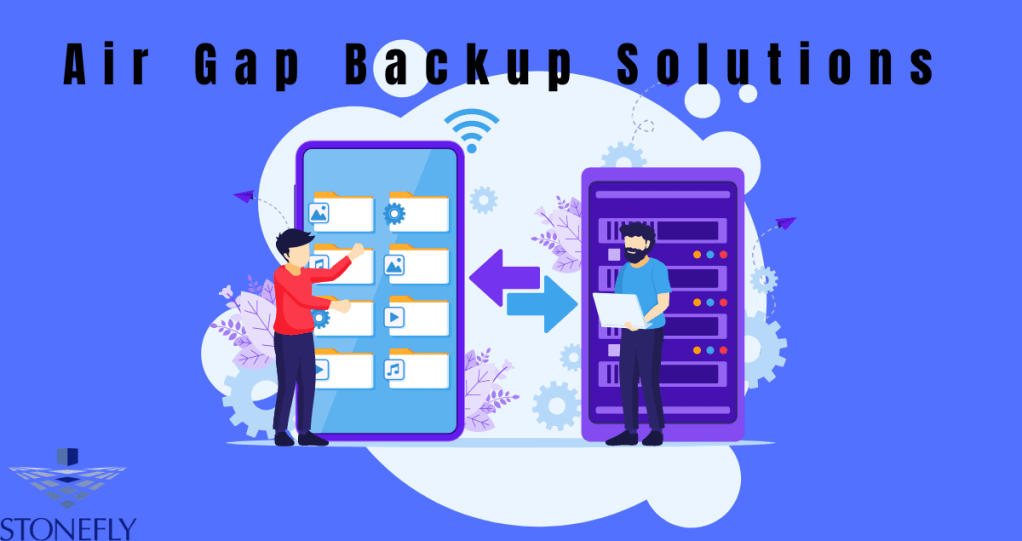
Businesses today face constant threats from ransomware and malware. These attacks can lock critical files, corrupt systems, and bring daily operations to a halt. Paying attackers is never a reliable solution. Instead, the focus should be on prevention and recovery. Air Gap Backup Solutions play a key role by giving businesses the ability to restore their data even if attackers compromise their main systems.
The Growing Threat of Ransomware and Malware
Cybercriminals are becoming more aggressive in their methods. Ransomware encrypts files and demands payment for a decryption key, while malware can spread quickly, corrupting or stealing information. For many businesses, the financial and reputational damage is severe. Without a backup, an organization can face days or weeks of downtime, leading to lost revenue and client trust.
Why Backups are Essential
A backup is more than a copy of data; it is a safety net. It ensures business continuity even after a breach. When ransomware locks files, backups allow companies to recover without giving in to demands. This approach keeps operations moving and prevents attackers from profiting.
Key Benefits of Backups in Cyber Defense
- Data Recovery: Businesses can restore systems quickly without depending on attackers.
- Reduced Downtime: A well-planned backup strategy cuts recovery time and minimizes financial loss.
- Regulatory Compliance: Many industries require reliable backup plans to meet data protection laws.
- Peace of Mind: Leaders can focus on growth instead of constantly worrying about threats.
The Role of Air Gapped Systems
Not all backups are safe from ransomware. If a backup is connected to the main network, it can also be attacked. That’s where Air Gap Backup Solutions make the difference. An air gap creates a separation between active systems and backup copies, making it impossible for malware to reach the stored data through normal network connections.
How Air Gapped Backups Work
- Physical Separation: Data is stored on devices or media that are not connected to the main network.
- Immutable Storage: Some systems make backups unchangeable for a set period, preventing attackers from deleting or editing files.
- Automated Scheduling: Regular updates ensure data is fresh while still being isolated from threats.
Building a Cybersecurity Strategy with Backups
Backups should not be treated as a one-time task. They need to be part of a larger Cybersecurity plan. Businesses should test their recovery process, update their backup schedules, and use multiple storage methods for added safety. With the right planning, a company can quickly bounce back from even the most damaging attack.
Practical Tips for Businesses
- Perform regular risk assessments.
- Keep multiple copies of backups, including an air gapped one.
- Test recovery procedures often to ensure smooth restoration.
- Train staff on cybersecurity awareness.
Conclusion
Ransomware and malware will continue to evolve, but businesses can stay ahead with the right defense strategy. A reliable backup system ensures that even if files are locked or corrupted, operations can be restored quickly. Air Gap Backup Solutions provide a critical layer of protection by keeping backup data safe from attackers. For organizations that value resilience and continuity, investing in strong backup defenses is no longer optional—it’s essential.
FAQs
Q1: How often should businesses update their air gapped backups?
Businesses should update air gapped backups regularly, at least daily or weekly, depending on the critical nature of their data. Frequent updates ensure that recovery points are recent and downtime is minimized.
Q2: Are air gapped backups enough to stop ransomware?
Air gapped backups don’t stop ransomware from entering systems, but they guarantee safe recovery if an attack happens. They should be combined with firewalls, antivirus tools, and employee training for complete protection.
-
Protects Intellectual Property (IP): Why Backups Are Non-Negotiable
In today’s digital-first world, intellectual property (IP) is one of the most valuable assets a business can own. Whether it’s source code, design blueprints, or patents, losing these assets could cripple innovation and open the door for competitors. This is why organizations must rely on robust data protection strategies. One of the most effective solutions is S3 Compatible Object Storage, which ensures IP is safeguarded against corruption, loss, or theft. With the right backup system in place, your priceless digital assets remain secure, accessible, and under your control.
The Value of Intellectual Property
Intellectual property isn’t just data—it’s the lifeblood of your business. For tech firms, source code represents years of development and innovation. For engineering and design companies, blueprints and CAD files are the foundation of their competitive edge. For research-driven organizations, patents and proprietary formulas define their future.
Now imagine losing all of that to accidental deletion, hardware failure, or a cyberattack. The financial and reputational damage could be devastating. Backups provide the safety net businesses need to avoid this nightmare scenario.
Why Backups Are Essential for IP
Protection from Data Corruption
Files can become corrupted due to hardware malfunctions, software bugs, or even simple power outages. Without a reliable backup, corrupted files may be gone forever. Backups act as a time machine, allowing you to restore a clean version of your IP when needed.
Defense Against Cyber Threats
Hackers often target source code or proprietary designs to exploit or sell them. Regular backups stored in S3 Compatible Object Storage give businesses a strong defense—ensuring even if data is stolen or compromised, a secure copy remains intact.
Compliance and Legal Safeguards
In industries where patents, designs, or trade secrets are tightly regulated, data retention is often a legal requirement. Having a backup strategy in place helps businesses stay compliant and avoid penalties.
S3 Compatible Object Storage as the Solution
Traditional storage solutions often lack scalability, security, and efficiency. This is where S3 Compatible Object Storage excels. It offers businesses a way to store large volumes of data securely while maintaining cost efficiency. Features like immutability, versioning, and Strong Encryption provide multiple layers of protection for intellectual property.
By leveraging this solution, businesses can:
- Easily scale storage as IP assets grow.
- Prevent unauthorized access through advanced encryption.
- Quickly recover from unexpected losses or cyberattacks.
Simply put, this type of storage transforms IP protection from a risk into a strategic advantage.
How Backups Strengthen Innovation
Faster Recovery = Less Downtime
When IP is lost, project timelines collapse, and innovation stalls. Having backups ensures you can quickly restore data and keep innovation moving forward without major setbacks.
Building Trust with Stakeholders
Clients, investors, and partners expect businesses to protect sensitive information. By demonstrating a reliable backup strategy, companies show commitment to security and trustworthiness—an essential factor in building long-term relationships.
Conclusion
Intellectual property is far too valuable to leave unprotected. Backups are not just a safety measure—they’re a business necessity. From shielding against corruption and cyberattacks to ensuring compliance, a strong backup strategy keeps your most important assets safe. By adopting S3 Compatible Object Storage, businesses gain the flexibility, scalability, and security needed to protect their priceless IP for the future.
FAQs
Q1: What types of intellectual property benefit most from digital backups?
A1: All forms of digital IP—such as source code, design files, research data, and patents—benefit from backups. These assets are often irreplaceable and crucial for maintaining competitive advantage.
Q2: How often should businesses back up their intellectual property?
A2: The frequency depends on the volume and sensitivity of the data, but daily or real-time backups are recommended for mission-critical IP to ensure no changes or updates are lost.
-
Recovery from Human Error in Scripts or Automation
Automation is a double-edged sword. On one hand, it saves time, reduces manual work, and streamlines operations. On the other, a single mistake in a script can wipe out critical files in seconds. That’s where Local Object Storage becomes the safety net you didn’t know you needed. By maintaining backups on a reliable storage system, organizations can quickly recover from human errors in automation without facing devastating losses.
The Hidden Risks of Automation
Automation is everywhere—deployment pipelines, system updates, and even routine backups. While it’s powerful, automation doesn’t forgive mistakes.
- A mistyped command can erase a production database.
- A faulty script can overwrite weeks of valuable work.
- An unintended loop can cause massive duplication or deletion of files.
In such cases, pointing fingers won’t bring the data back. The only way forward is to restore from a secure backup.
Why Human Error is Inevitable
No matter how skilled your IT team is, human error will always be part of the equation. Scripts are written by people, reviewed by people, and executed by people. Even with strict testing, mistakes slip through. Automation only amplifies those mistakes—what could have been a minor issue turns into a disaster when executed at scale.
How Backups Minimize the Damage
Backups act as a “time machine” for your data. If a script misfires and deletes files, a backup allows you to roll back and restore what’s lost. Instead of scrambling to rebuild or re-collect critical data, you simply recover it from your stored copies.
Local Object Storage as a Reliable Solution
With Local Object Storage, backups become easier to manage and more reliable. Unlike traditional file systems, object storage is designed for scalability, durability, and fast retrieval. It organizes data in a way that’s flexible and efficient, making it perfect for restoring files after automation errors.
More importantly, storing data locally means you have full control. You’re not relying on an external provider’s uptime or policies. When human error strikes, your recovery point is just within reach.
Benefits of Using Local Object Storage
- Scalability: Easily handle growing data without reconfiguring systems.
- Durability: Built to preserve data integrity for the long haul.
- Fast Recovery: Quickly restore files when errors occur.
- Cost-Effective: Eliminates unnecessary expenses tied to remote storage reliance.
Real-World Example
Imagine an IT team running nightly automation to clean up temporary files. A small error in the script accidentally deletes an entire directory containing customer invoices. Without a backup, this could lead to financial chaos, compliance issues, and customer mistrust.
However, with Local Object Storage backups in place, the team can restore the deleted files within minutes, avoiding business disruption and reputational damage.
Building a Strong Recovery Strategy
Relying only on automation without backup is like driving without insurance. To protect against human errors, your recovery strategy should include:
Regular Backup Scheduling
Backups should run on a consistent schedule to minimize the gap between Data Loss and the latest recoverable copy.
Versioning
Maintain multiple versions of data so you can roll back to a safe state, even if the most recent copy is compromised.
Testing Restores
A backup is only as good as its ability to restore. Regularly test recovery processes to ensure they actually work when needed.
Monitoring and Alerts
Set up alerts for unusual automation behavior so that errors can be caught before they cause widespread damage.
Conclusion
Human error in scripts and automation is unavoidable, but permanent data loss doesn’t have to be. By using robust backup strategies supported by Local Object Storage, businesses can recover quickly, minimize downtime, and protect their most valuable digital assets. Automation may magnify mistakes, but with the right safety net in place, those mistakes don’t have to be catastrophic.
FAQs
Q1: How often should backups be taken to protect against automation errors?
It depends on your operations, but daily backups are a minimum standard. For critical data, consider more frequent or real-time backup schedules.
Q2: Is local object storage secure enough to protect sensitive data?
Yes. With proper encryption and access controls, local object storage offers strong security while giving you full ownership and control of your data.
-
Mergers and Acquisitions Data Assurance: Safeguarding Integrity with Reliable Backups
When companies go through mergers and acquisitions (M&A), accurate data becomes the backbone of trust. Imagine negotiating a deal, only to find that vital financial or operational records are missing, corrupted, or altered. This is where Air Gap Backup Solutions step in as the silent guardians. By ensuring that data remains intact, verifiable, and secure, businesses can share records with confidence, knowing that critical information won’t vanish or be tampered with.
Why Data Integrity Matters in M&A
During M&A processes, companies are essentially opening up their books for scrutiny. Everything from customer databases and compliance reports to intellectual property and financial records must be readily available and trustworthy. If even a small portion of this data is questionable, it can create delays, erode trust, or even derail the entire deal.
Backups serve as a protective layer, ensuring all critical records remain accessible and accurate. With regulatory bodies, investors, and internal stakeholders demanding transparency, data assurance isn’t just a convenience—it’s a requirement.
Common Data Challenges in M&A
1. Accidental Loss
In fast-moving environments, files can be misplaced or accidentally deleted. During M&A, where multiple parties are accessing and sharing documents, this risk increases significantly.
2. Cybersecurity Threats
Hackers often see M&A announcements as opportunities to strike. Sensitive data becomes a prime target, and breaches can compromise negotiations or expose confidential agreements.
3. Data Corruption
Large volumes of files are transferred between systems during M&A. Without proper safeguards, data can become corrupted, raising questions about its validity.
The Role of Reliable Backups
Backups play a critical role in providing a safety net. They guarantee that even if something goes wrong—whether it’s a cyberattack, hardware failure, or accidental deletion—companies can restore the original, verified data. For M&A, this means uninterrupted processes and confidence in every record shared.
Why Traditional Backups Aren’t Enough
Standard backups, while useful, are often vulnerable to cyberattacks or accidental overwrites. During M&A, where the stakes are high, businesses need a more secure and resilient approach.
Enter Air Gap Backup Solutions
This is where Air Gap Backup Solutions come into play. Unlike conventional systems, these backups are physically or logically separated from the main network. This isolation creates a barrier against ransomware, malware, and insider threats.
Key Benefits for M&A:
- Impenetrable Security
By separating backups from live systems, attackers cannot easily access or manipulate the stored data. - Data Authenticity
Records remain untouched, ensuring all shared information is genuine and verifiable. - Regulatory Compliance
Many industries demand strict data integrity during audits and transactions. Air-gapped backups help meet these compliance standards effortlessly.
With Air Gap Backup Solutions, businesses can confidently proceed with due diligence, knowing that every record presented is authentic, complete, and tamper-proof.
Building Trust in M&A Transactions
At the heart of M&A lies trust—between buyers, sellers, regulators, and investors. Reliable Data assurance through advanced backup strategies ensures that this trust is never compromised. Companies that prioritize secure backup frameworks not only safeguard their own interests but also enhance their reputation as reliable and transparent partners.
Conclusion
Mergers and acquisitions are complex, high-stakes processes where data assurance can make or break deals. Backups act as the foundation of this assurance, but advanced approaches like air-gapped systems provide the ultimate protection. By adopting secure, resilient methods, businesses ensure that every record is intact, verifiable, and beyond compromise. In the world of M&A, this isn’t just best practice—it’s essential for success.
FAQs
Q1: How does an air-gapped backup differ from a regular backup?
An air-gapped backup is physically or logically isolated from the primary system, making it inaccessible to cyber threats that target online or connected storage. This adds an extra layer of protection compared to regular backups.
Q2: Why is backup integrity especially critical during M&A?
During M&A, businesses must share sensitive and accurate records with multiple stakeholders. Backup integrity ensures that this data is trustworthy, reducing risks of delays, disputes, or failed deals due to compromised information.
- Impenetrable Security
-
Disaster Recovery Readiness: How Modern Storage Systems Minimize Downtime

In today’s digital world, even a few minutes of downtime can lead to massive financial loss, reputational damage, and customer dissatisfaction. That’s why disaster recovery readiness isn’t just a nice-to-have—it’s a necessity. Modern storage systems have evolved to offer powerful tools like off-site replication, snapshots, and failover clusters to help businesses bounce back quickly after any unexpected event. One of the most effective solutions for building this kind of resilience is S3 Compatible Object Storage, which provides the foundation for scalable, reliable, and disaster-resilient data management. This type of storage can replicate your data to remote locations, take point-in-time snapshots, and work seamlessly with failover environments to ensure your operations never miss a beat.
Why Disaster Recovery Readiness Matters
Disasters—whether natural, technical, or human-induced—strike without warning. When they do, your organization’s ability to recover fast can mean the difference between surviving or shutting down. From data center fires to cyberattacks, having a strategy to recover your systems and data is critical.
This is where disaster recovery readiness comes in. It’s not just about backing up your data—it’s about having the right infrastructure and policies in place to restore that data quickly, reliably, and with minimal loss.
Key Features of Disaster-Ready Storage Systems
Off-Site Replication: Your Data’s Second Home
Think of off-site replication as your digital insurance policy. By automatically copying data to a geographically distant location, businesses ensure they have a clean, untampered copy of their data available—far from the disaster zone.
Whether it’s a ransomware attack or a regional power outage, your systems can access replicated data to resume operations swiftly. S3 Compatible Object Storage allows for seamless replication policies, reducing manual intervention and speeding up recovery.
Snapshots: Time Travel for Your Data
Snapshots are like time machines for your storage. They capture the exact state of your data at a specific point in time. If something goes wrong—say, a user accidentally deletes critical files or a malware corrupts your data—you can revert to a previous snapshot in seconds.
This ability dramatically reduces downtime and data loss. Because snapshots are incremental, they also save on storage space and network bandwidth.
Failover Clusters: Automated Continuity
Failover clusters are systems that automatically switch operations to a standby server or storage system when a failure is detected. In a disaster recovery plan, this is your first responder.
If your main system fails, the failover cluster picks up the workload almost instantly—minimizing disruption. Combined with S3 Compatible Object Storage, this feature enables high availability across data centers, ensuring uninterrupted service to users and customers.
How S3 Compatible Object Storage Boosts DR Readiness
S3 Compatible Object Storage supports all the key elements of a modern disaster recovery strategy—without locking you into proprietary systems. Here’s how it strengthens your DR posture:
- Flexible Deployment: Deploy on-premise, in private clouds, or hybrid environments to suit your disaster recovery needs.
- Data Durability: It’s built for long-term retention and integrity, ensuring that backups and replicas are always reliable.
- Automation Ready: Easily integrates with automation tools for replication, snapshot scheduling, and failover testing.
Best Practices for Implementing Disaster Recovery
Regular Testing is Non-Negotiable
A disaster recovery plan that’s never tested is a plan that’s bound to fail. Schedule regular failover and recovery drills to make sure every part of your system works as intended when it’s needed most.
Prioritize Critical Data
Not all data is created equal. Focus on protecting mission-critical files first. Classify your data and set tiered recovery objectives to ensure the fastest recovery for your most important information.
Keep Backup Copies Immutable
Immutable Backups—ones that cannot be altered or deleted for a set period—are essential. They protect your data from tampering and ransomware encryption, ensuring clean versions are always available for recovery.
Conclusion
Disaster recovery readiness is no longer a luxury—it’s a lifeline. With tools like off-site replication, snapshots, and failover clusters, businesses can build a recovery strategy that’s both strong and scalable. S3 Compatible Object Storage ties all these features together, offering a cost-effective, flexible, and high-performance solution to ensure your data survives any disruption.
So, ask yourself: If disaster struck right now, could your business recover? With the right storage system, the answer should be a confident “Yes.”
FAQs
Q1: Can I use S3 Compatible Object Storage in a hybrid cloud disaster recovery setup?
Absolutely. S3-compatible storage works across on-premise and cloud environments, making it ideal for hybrid DR solutions that need data redundancy in multiple locations.
Q2: How often should I update or test my disaster recovery plan?
It’s recommended to test your disaster recovery plan at least twice a year. Updates should be made any time your infrastructure, team, or data policies change significantly.
-
Data Deduplication and Compression: Optimizing Storage for the Modern Enterprise
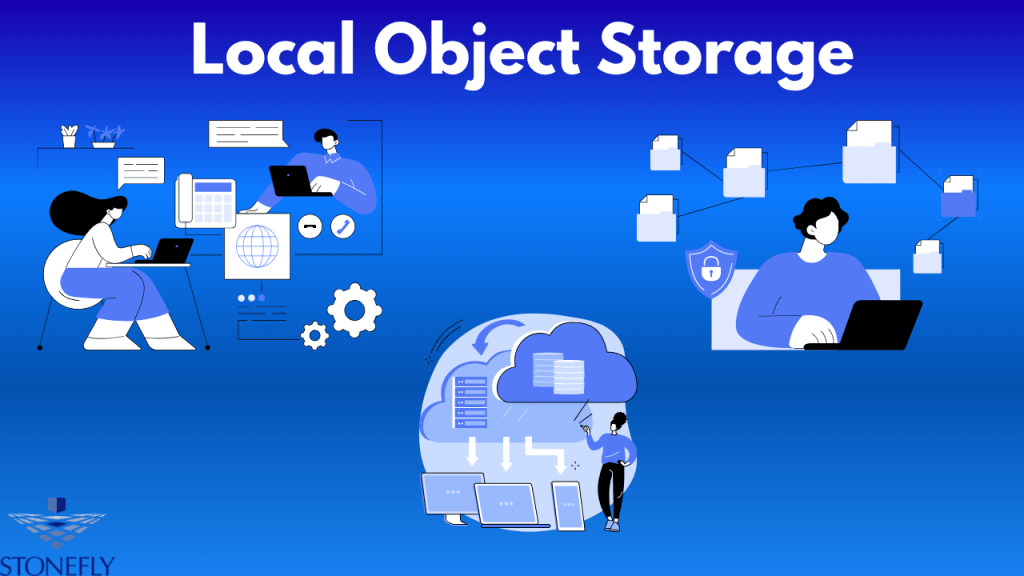
In today’s digital age, businesses are collecting and storing more data than ever before. From customer profiles to machine logs and media files, the volume of data keeps growing exponentially. But here’s the catch — a huge chunk of this data is redundant or repetitive. This is where data deduplication and compression come in, helping organizations eliminate unnecessary copies and reduce file sizes. One of the most effective solutions that supports these features is Local Object Storage, a scalable and cost-efficient system that not only stores large amounts of data but also helps manage it smartly. By deploying Local Object Storage, enterprises can drastically cut down on hardware expenses and streamline their data architecture.
Understanding Data Deduplication and Compression
What Is Data Deduplication?
Data deduplication is a technique that identifies and eliminates duplicate copies of repeating data. It ensures that only one unique instance of data is actually stored on the system, and any additional copies are referenced rather than saved again. This is particularly beneficial in backup storage and large-scale datasets where redundancy is common.
For example, imagine you send a company-wide email attachment to 500 employees. Without deduplication, the same file gets stored 500 times. With deduplication, it’s saved once, and the system creates pointers for each user.
What Is Compression?
Compression, on the other hand, focuses on reducing the size of data files by removing unnecessary bits and patterns. It doesn’t remove duplication per se, but it shrinks the space each file consumes. There are two types of compression:
- Lossless, which preserves all original data,
- Lossy, which discards some data to achieve higher compression (used mainly for media files).
Together, deduplication and compression act as a powerful duo to minimize storage use and boost system efficiency.
Why Redundancy Is a Hidden Cost
Storing redundant information is more than just a waste of space — it’s a silent cost-driver. Not only does it eat up storage capacity, but it also increases backup time, slows down data retrieval, and demands more cooling and power in physical setups. With ever-growing data footprints, these inefficiencies snowball into major operational challenges.
This is where Local Object Storage steps in again. It’s designed to manage unstructured data efficiently and often includes built-in deduplication and compression features. With Local Object Storage, you’re not just storing data — you’re storing it smartly.
Benefits of Deduplication and Compression in Storage Systems
1. Reduced Storage Costs
By eliminating redundancy and shrinking file sizes, businesses can store more data in less space. This means fewer drives, less maintenance, and lower overhead costs.
2. Faster Backups and Restores
With less data to write and retrieve, backup windows shrink significantly. This is critical for businesses operating on tight schedules and recovery time objectives (RTOs).
3. Improved Data Management
Data deduplication simplifies file management and makes it easier to track, access, and organize large volumes of data across departments.
4. Energy and Space Savings
Less hardware means less power consumption and physical space, contributing to a greener, more efficient IT infrastructure.
Inline vs. Post-Process Deduplication
Storage systems can perform deduplication in two ways:
- Inline Deduplication: Happens in real-time as the data is being written. It saves space instantly and is ideal for high-performance environments.
- Post-Process Deduplication: Happens after data is stored. While it requires extra resources, it doesn’t slow down the write process.
Modern storage solutions, including Local Object Storage, often support inline deduplication due to its immediate efficiency benefits.
When to Use Deduplication and Compression
These technologies are especially useful in:
- Virtualized environments (e.g., VMs often contain identical OS files)
- Backup and Disaster Recovery Systems
- Email and document management systems
- Media archives where repetitive content is common
Implementing them in the right environment multiplies the benefits.
Conclusion
As businesses scale, data growth is inevitable — but storage costs don’t have to follow the same curve. Through effective use of data deduplication and compression, organizations can tame their data sprawl without expanding their hardware footprint. Local Object Storage emerges as a reliable solution for enterprises seeking high performance, lower costs, and better resource management. By embracing smarter storage techniques, companies not only protect their data but also future-proof their infrastructure.
FAQs
1. Can deduplication and compression slow down performance?
In older systems, yes — especially during post-process deduplication. But modern solutions using inline deduplication within Local Object Storage can handle these tasks efficiently without noticeable performance drops.
2. Is deduplication safe for all types of data?
Yes, for most business data like documents, emails, and backups. However, in media files or databases, careful consideration is needed, especially with lossy compression, to avoid compromising data quality.
-
Unlocking the Power of Data Virtualization: Simplifying Access Without Compromising Security
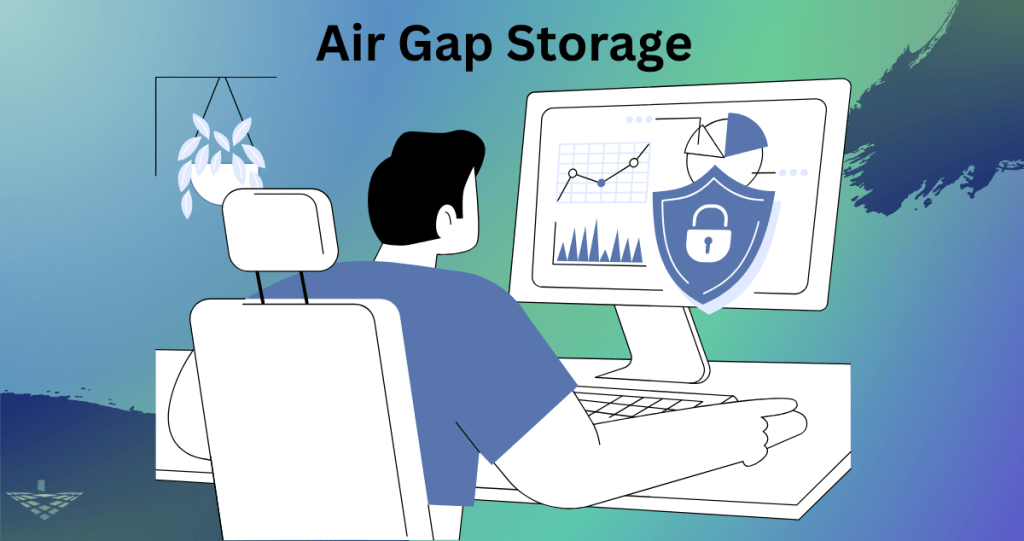
In today’s fast-paced digital landscape, businesses need fast, flexible access to their data—no matter where that data physically resides. That’s where data virtualization steps in. It acts like a powerful magician behind the curtain, presenting data from multiple locations as if it were in one place, without actually moving it. For businesses running large-scale testing environments, remote workforces, or complex analytics across different regions, this can be a game-changer. However, as we simplify access, data protection becomes even more critical—this is where Air Gap Storage plays a crucial role. By integrating air-gapped layers, businesses can leverage data virtualization without exposing sensitive information to unauthorized access or cyber threats.
Let’s break down how data virtualization works, why it matters, and how Air Gap Storage can be the silent guardian in the background.
What Is Data Virtualization?
Data virtualization is a technology that allows businesses to access and manipulate data without having to physically move it from its original location. Think of it like having a single dashboard that pulls in data from cloud servers, local drives, or remote branches and presents it in one cohesive view. It eliminates the need for data replication or heavy lifting, saving time, storage costs, and bandwidth.
Rather than spending days transferring terabytes of information between departments or facilities, organizations can query and analyze data where it lives. The result? Real-time analytics, streamlined testing, and more efficient business operations—all without the chaos of moving data around.
Why Businesses Rely on Data Virtualization
Speed and Efficiency
Traditional data movement can be time-consuming, especially with large volumes of data. Virtualization removes this bottleneck by allowing teams to instantly access what they need, speeding up testing cycles, product development, and decision-making processes.
Cost-Effective Testing and Analysis
When developers or analysts require data from multiple sources, replicating that data into test environments can be expensive. Data virtualization makes it possible to perform large-scale testing without the extra cost of creating duplicate storage.
Remote and Cross-Platform Access
With a growing number of remote teams and distributed infrastructures, virtualization ensures users can interact with the data regardless of where they are or what platform they use. This enhances collaboration and keeps productivity high.
Security Risks and the Need for Isolation
As useful as data virtualization is, it introduces some security risks. Since data is being exposed across multiple platforms or accessed from remote locations, the attack surface increases. One breach could potentially grant access to everything—unless strong security practices are in place.
Here’s where Air Gap Storage comes in. By keeping critical backups or sensitive datasets in an isolated environment—disconnected from the rest of the network—it creates an impenetrable layer of protection. If a ransomware attack occurs on the main system, your air-gapped data remains untouched and recoverable.
Air Gap Storage: A Perfect Companion to Data Virtualization
Acts as a Last Line of Defense
Virtualized environments are great for speed, but they can be fragile when exposed to cyber threats. Air Gap Storage provides a hardened vault—an offline sanctuary where your most important data lives, safe from tampering, deletion, or Encryption by attackers.
Supports Regulatory Compliance
Many industries require data to be preserved in an unchangeable and secure manner. With air-gapped solutions in place, businesses can meet compliance standards without disrupting virtual access needs.
Simplifies Disaster Recovery
If something goes wrong—say, a data breach or corruption in the virtual environment—having an air-gapped copy means you can restore everything to a safe, working state with minimal downtime.
Conclusion
Data virtualization is no longer a luxury; it’s a necessity in modern data-driven businesses. It offers unmatched agility, real-time access, and cost savings—but with convenience comes risk. That’s why pairing virtualization with Air Gap Storage ensures your business doesn’t trade security for speed. With this smart combination, organizations can unlock the power of seamless data access while maintaining strong data protection in a volatile cyber landscape.
FAQs
Q1: How is data virtualization different from data replication?
Answer: Data virtualization provides real-time access to data across multiple sources without physically copying it. Data replication, on the other hand, involves creating duplicates of data at different locations, which consumes more storage and time.
Q2: Can air gap storage be used in hybrid environments with data virtualization?
Answer: Absolutely. Air gap storage can be deployed as an isolated backup in hybrid infrastructures, serving as a secure failsafe for virtualized systems. It ensures that even in complex setups, your core data remains protected from threats.
-
Better Business Continuity: How Storage Solutions Keep You Online When It Matters Most
Downtime isn’t just a minor inconvenience—it can be a business killer. Whether caused by a system crash, cyberattack, or power outage, unexpected interruptions can halt productivity, frustrate customers, and result in lost revenue. That’s why smart organizations turn to S3 Object Storage on Premise as part of their business continuity strategy. By offering real-time backups and fast data recovery, this solution acts as a shield, ensuring your operations keep running even when core systems stumble.
Let’s dive deeper into how these storage systems help maintain business continuity and why they’re becoming a must-have for modern businesses.
Why Business Continuity Matters More Than Ever
In today’s always-on world, customers expect instant access, employees rely on constant connectivity, and data flows nonstop across departments and locations. Any downtime—no matter how short—can damage your brand, delay critical decisions, or bring compliance risks. This is why having a rock-solid continuity plan is no longer optional—it’s essential.
A key part of that plan? A robust, reliable storage system that doesn’t just save your data but protects it in real-time and makes it instantly recoverable.
The Role of Storage in Business Continuity
Real-Time Backups: Your Digital Safety Net
Real-time backups are the digital equivalent of a safety net. They ensure that the moment a file is created or updated, it’s stored securely—often in multiple copies. So, if a system crashes, you don’t lose hours (or days) of work. Instead, you can pick up right where you left off.
With S3 Object Storage on Premise, you get this real-time functionality while keeping everything stored locally. That means faster access, lower latency, and no reliance on external networks when seconds count.
Fast Recovery = Minimal Downtime
The longer it takes to restore your systems, the more it costs your business. That’s why speed matters. Modern storage solutions are built for rapid recovery, restoring critical files or entire systems in minutes—not hours or days.
S3 Object Storage on Premise excels in this area. It allows IT teams to spin up backup copies quickly, even if the primary infrastructure is down. Whether you’re recovering a single document or a full application, you can do so efficiently—keeping users productive and services online.
Local Control, Greater Reliability
Storing data on-premises gives businesses more control over their infrastructure, security, and compliance. When a disaster hits, you’re not waiting on a third party or external service to respond. Instead, your internal team can act immediately—often restoring data and systems before customers even notice a hiccup.
S3 Object Storage on Premise offers this advantage by combining the flexibility of S3-compatible architecture with the reliability of local deployment. You get the benefits of object storage—scalability, durability, and easy integration—with the speed and control that come from having your data on-site.
Use Cases: Real-World Scenarios
Ransomware Attacks
A business hit with Ransomware may find all its systems locked. But if it’s using real-time backup on an on-premise S3-compatible solution, the IT team can wipe and restore affected systems quickly without paying a ransom.
System Failure or Hardware Crash
If a server goes down during peak hours, every second counts. With fast restore capabilities, teams can redirect operations to backup infrastructure instantly—without waiting for cloud syncing or external download delays.
Compliance-Driven Recovery
Many industries require fast access to historical records or transaction logs. Local object storage allows organizations to retrieve that information instantly, even during system outages—keeping regulators satisfied and penalties at bay.
Conclusion
Business continuity is no longer a luxury—it’s a lifeline. Real-time backups and fast restore capabilities make all the difference when disaster strikes. And when these features are paired with S3 Object Storage on Premise, your business gains an even stronger edge: lower latency, greater control, and faster recovery.
In a world where downtime equals dollars lost, investing in the right storage solution is investing in your future. Don’t wait for a failure to reveal the cracks in your system—secure your operations now and stay resilient, no matter what comes your way.
FAQs
1. What makes on-premise S3 object storage better for business continuity than cloud-only options?
On-premise S3-compatible storage offers lower latency and faster restore times because the data is locally stored. During a network outage or cloud service failure, businesses can still access and restore their data without delay—ensuring continuous operations.
2. How does object storage differ from traditional file or block storage in disaster recovery?
Object storage is designed for scalability and durability, making it ideal for storing large volumes of unstructured data. Its metadata tagging and redundancy features allow faster, more precise recovery during disasters, while traditional storage systems may take longer to search and restore critical files.
-
Lightning-Fast Retrieval: How S3 Object Storage On Premise Accelerates File Access
Let’s face it—nobody has time to play hide and seek with files anymore. In a world where speed is everything, especially in business, sifting through cluttered folders or ancient hard drives just to find one document feels like digging for treasure with no map. That’s where S3 Object Storage On Premise enters the picture, offering a game-changing solution for lightning-fast file retrieval.
Whether you’re running a fast-paced enterprise, managing media archives, or handling sensitive legal documents, being able to instantly pull up exactly what you need—without delays—can mean the difference between success and chaos.
Why Speed Matters More Than Ever
In today’s data-driven environment, every second counts. Teams rely on quick access to everything from spreadsheets to high-res images, video files, logs, and application data. When file retrieval slows down operations, it causes ripple effects—missed deadlines, dropped productivity, and ultimately, unhappy clients.
So what’s the solution? It’s not just about bigger storage—it’s about smarter storage. That’s where S3 Object Storage On Premise shines. Not only does it keep your files safe, it lets you retrieve them at blazing speeds thanks to built-in metadata tagging, advanced indexing, and intelligent search capabilities.
What Is Lightning-Fast File Retrieval?
Beyond Traditional File Systems
Traditional file systems store data in hierarchical folder structures. While this might work for personal use, it quickly becomes a nightmare when you’re dealing with petabytes of data spread across multiple departments or regions. Searching means you either rely on memory—or get lost in a maze of folders.
Lightning-fast retrieval changes the game. It’s all about getting what you need without knowing where it’s stored—just like Googling a keyword and landing exactly where you need to be.
The Role of Object Storage in Fast Data Access
Flat Architecture = Faster Discovery
S3 Object Storage On Premise leverages a flat architecture, which means files (or “objects”) are not buried in deep folder hierarchies. Instead, each object is stored in a “bucket” with metadata and a unique identifier, making them instantly searchable. Think of it like having a personal search engine for your files.
Rather than hunting for folders labeled “Q1 Reports” or “Meeting Notes,” you can just search for “client budget 2023” or “project alpha video” and pull it up in seconds. The power of metadata does the heavy lifting.
Tagging and Indexing for Smart Search
Metadata tagging is the backbone of fast retrieval. Object storage systems allow users and applications to attach detailed information to each file—creation date, file type, project ID, department, client name, and more. These tags enable lightning-speed search functions that outperform traditional file searches by miles.
With S3 Object Storage On Premise, you can automate these tags based on workflows or business rules, ensuring every new file is indexed the moment it lands in storage.
How On-Premise Deployment Makes It Even Faster
Skip the Internet—Stay Local
One of the biggest benefits of using S3 Object Storage On Premise is cutting out the middleman: the internet. Remote or cloud storage often adds latency due to bandwidth limitations and external API calls. With an on-premise solution, your files are right there, on your local network—ready to be accessed without delay.
This is especially critical in time-sensitive industries like media production, scientific research, or healthcare, where seconds truly matter.
Full Control Over Performance
When your storage is on-premise, you’re in the driver’s seat. You control hardware specs, caching, network speeds, and storage tiers. You can fine-tune performance based on real-time demands. No need to wait for cloud provider support or pay for faster retrieval—it’s already built into your infrastructure.
Use Cases That Demand Lightning-Fast Retrieval
Media & Entertainment
Large video files and images can be a pain to manage. Editors and producers need immediate access to terabytes of footage. Delays can ruin timelines. With an object-based system and smart tagging, files can be pulled instantly by project name, actor, or shoot location.
Legal & Compliance
When audit season comes around, law firms and corporate compliance teams must retrieve precise documents—sometimes from years ago—under tight deadlines. S3-compatible object storage makes it easy to locate files by case number, document type, or client name.
Healthcare
From radiology images to patient records, healthcare data must be retrieved on demand, especially in emergencies. Object storage allows for instant access to critical files without wading through siloed folders.
Scientific Research
Time-sensitive data from lab experiments or simulations must be analyzed quickly. Metadata-rich object storage lets researchers find datasets based on experiment ID, date, or variables instantly.
Bonus Benefits of S3 Object Storage On Premise
Enhanced Security
With data stored on-site, you maintain physical and digital control. That means fewer risks of breaches, eavesdropping, or external attacks. Coupled with encryption and access control, object storage keeps your fast-access data safe and compliant.
Scalability Without Sacrificing Speed
Even as your data grows exponentially, retrieval speed doesn’t drop. Object Storage scales horizontally, meaning you can add more storage nodes without changing the way you retrieve files. No more slowing down just because your archives grew.
Cost-Effective Over Time
You save money by reducing wasted hours spent searching for files. On-premise solutions also remove recurring cloud access fees, especially if you retrieve data frequently.
Conclusion: Fast File Access Is the Future
Time is money—and in the digital age, it’s also data. Businesses that still rely on outdated storage models are essentially handcuffing their teams to inefficiency. If your teams are wasting minutes (or hours) hunting for files, you’re bleeding productivity.
S3 Object Storage On Premise is more than just a storage upgrade. It’s a complete overhaul of how you access and use your data—fast, secure, and always available when you need it.
Forget rummaging through digital drawers. With smart object storage, every file is just a few keystrokes away.
FAQs
1. What makes object storage faster than traditional file storage?
Object storage uses metadata and flat architecture instead of nested folders, allowing users to search by tags, keywords, or attributes. This speeds up file discovery significantly.
2. Why is on-premise storage faster than cloud-based options?
On-premise storage eliminates internet latency and external API calls. Your data is accessed directly via local networks, which are much faster and more reliable.
3. Can I use object storage for both structured and unstructured data?
Yes. Object storage is ideal for unstructured data like videos, PDFs, and images, but you can also store structured logs or analytics data and retrieve them quickly using metadata.
4. Is S3 Object Storage On Premise suitable for small businesses?
Absolutely. Many small to mid-sized businesses benefit from faster access to their files, better security, and long-term cost savings by avoiding cloud egress and access fees.
5. How hard is it to migrate from traditional storage to object storage?
Migration tools and services make it relatively straightforward. Once your data is moved, the benefits of faster search, scalability, and smart retrieval become immediately clear.
-
Subscribe
Subscribed
Already have a WordPress.com account? Log in now.
 Cloud Backup services