-
Local Object Storage: Revolutionizing Data Management
In the vast landscape of data management, local object storage is emerging as a pivotal technology, offering scalability, cost-efficiency, and enhanced data security. For IT professionals, data center managers, and cloud service providers, understanding and implementing these storage solutions can mean the difference between a sleek, responsive infrastructure and a clunky, overweight system. In this exhaustive exploration, we will shed light on the potential of Local Object Storage, dissecting its benefits, use cases, challenges, emerging trends, and the overall impact on data and infrastructure management.
Local Object Storage
In the realm of data storage, local object storage is more than just a term; it’s an approach that’s changing the game. Unlike the traditional block storage, which manages data in blocks for storage area network (SAN) and network-attached storage (NAS) systems, object storage organizes and manages data as units, or objects. Each object consists of data, metadata, and a unique identifier, simplifying indexing and retrieval.
Benefits of Local Object Storage
The benefits of local object storage are numerous, and they directly address the pain points that IT professionals face in the realm of data management. Here are the primary advantages that make local object storage a compelling option.
Scalability and Flexibility
Local object storage architectures are designed to scale horizontally, seamlessly accommodating growing data volumes. The modular design allows for the addition of individual storage nodes, each with its processing power and disk space, without disrupting the existing system. This elastic approach to storage means that resources can be added or removed as needed, aligning storage costs with actual demand.
Cost-Effectiveness
With traditional storage, expanding capacity often means investing in expensive hardware and software. In contrast, local object storage leverages commodity hardware which is generally more cost-effective. Additionally, the pay-as-you-grow model ensures that businesses are not over-investing in anticipation of future needs.
Enhanced Data Security
Data integrity and security are critical in the digital economy, where data breaches can lead to substantial losses. Object storage employs techniques such as data replication and erasure coding to ensure data durability. Data is typically spread across multiple storage nodes, reducing the risk of data loss due to hardware failure.
Conclusion
Local object storage is not just a data management strategy; it’s a revolution in how we approach the monumental task of storing, securing, and using data. With benefits such as scalability, cost-effectiveness, and enhanced data security, it’s no wonder that data professionals are looking at these solutions with interest.
FAQs
Q: What is the difference between object storage and traditional file systems?
Object storage differs from traditional file systems in its approach to data management. While traditional file systems organize data hierarchically in a folder structure, object storage uses a flat namespace, assigning each piece of data an object ID for easy indexing and retrieval.
Q: Can I use local object storage with my existing applications and databases?
Yes, local object storage can be integrated with existing systems and applications. However, it’s essential to consider the compatibility and any potential changes or updates that may be necessary for a smooth transition.
-
The Importance of Air Gap Backup Solutions for Data Security
In today’s digital age, data security is paramount. With cyber threats evolving rapidly, it’s crucial for businesses to implement robust backup solutions to safeguard their sensitive information. Among these solutions, Air Gap Backup emerges as a highly effective method to protect data from unauthorized access and cyber attacks.
Understanding Air Gap Backup
Air Gap Backup refers to the practice of physically isolating backup data from the main network or the internet. This isolation ensures that even if a cyber attack breaches the primary network, the backup data remains untouched and secure. The term “air gap” signifies the absence of a direct connection between the backup system and the network, making it virtually immune to online threats.
Advantages of Air Gap Backup
Unparalleled Security
The primary advantage of Air Gap Backup is its unparalleled security. By physically isolating backup data, businesses create a barrier that prevents cyber attackers from accessing or corrupting critical information. This isolation significantly reduces the risk of data breaches and ensures data integrity, even in the face of sophisticated cyber threats.
Protection Against Ransomware Attacks
Ransomware attacks pose a significant threat to businesses worldwide, encrypting valuable data and demanding ransom for its release. With Air Gap Backup, organizations can effectively mitigate the impact of ransomware attacks. Since the backup data is stored offline and inaccessible to cybercriminals, businesses can restore their systems and data without succumbing to ransom demands.
Compliance with Regulatory Requirements
Many industries, such as finance, healthcare, and government, are subject to stringent regulatory requirements regarding data protection and privacy. Air Gap Backup helps businesses comply with these regulations by providing an extra layer of security for sensitive information. By implementing air gap solutions, organizations demonstrate their commitment to safeguarding data and meeting regulatory standards.
Resilience to Cyber Attacks
In today’s cyber landscape, no organization is immune to cyber attacks. However, businesses can enhance their resilience by adopting Air Gap Backup solutions. By keeping backup data offline and isolated, organizations can effectively prevent cyber attackers from infiltrating their backup systems, ensuring business continuity and minimizing downtime in the event of an attack.
Implementing Air Gap Backup Solutions
Offline Storage Devices
One common method of implementing Air Gap Backup is through the use of offline storage devices such as external hard drives, tape drives, or optical media. These devices are disconnected from the network after data backup, creating a physical air gap that protects the data from online threats.
Immutable Storage Systems
Another approach to Air Gap Backup involves deploying immutable storage systems that prevent data from being altered or deleted once written. Immutable storage solutions utilize technologies such as Write Once Read Many (WORM) to ensure data integrity and protect against unauthorized modifications.
Cloud-to-Cloud Backup with Air Gap
For organizations leveraging cloud services, Air Gap Backup can still be achieved through cloud-to-cloud backup solutions. By replicating data to a separate cloud environment with restricted access, businesses can maintain an air gap between their primary and backup data, enhancing security and resilience.
Conclusion
In conclusion, Air Gap Backup offers unparalleled security and protection against cyber threats. By physically isolating backup data from the main network, businesses can safeguard their sensitive information, mitigate the impact of ransomware attacks, comply with regulatory requirements, and enhance their resilience to cyber attacks. Whether through offline storage devices, immutable storage systems, or cloud-to-cloud backup solutions, implementing Air Gap Backup is essential for ensuring the integrity and security of critical data.
FAQs
1. What is Air Gap Backup?
Air Gap Backup refers to the practice of physically isolating backup data from the main network or the internet to enhance security and protect against cyber threats.
2. How does Air Gap Backup enhance data security?
Air Gap Backup enhances data security by creating a physical barrier between backup data and potential cyber attackers, preventing unauthorized access and ensuring data integrity.
-
S3 Object Storage: Ensuring Data Security
In the labyrinth of modern data management, where security and scalability clash, one name often surfaces at the peak of the solution pyramid: S3 Object Storage. For IT professionals and data security enthusiasts, understanding the nuances of S3 Object Storage is not merely a pursuit of industry knowledge; it’s a strategic necessity to safeguard valuable digital assets against the growing threat of data breaches and ransomware attacks.
Understanding S3 Object Storage
At its essence, S3 Object Storage is a cloud-based data storage service that offers developers and IT teams secure, durable, and highly scalable storage options for their applications. Utilized by millions of active customers and considered the benchmark in cloud storage services, S3 Object Storage has redefined the paradigms of data storage. It’s renowned for its simplicity in use, with no limits to the volume of data that can be stored, making it the choice solution for businesses worldwide.
Key Features of S3 Object Storage
S3’s impact on data security is considerable, primarily due to its robust features, including:
- Tiered Storage Options
- Lifecycle Management Policies
- Data Versioning Capabilities
- Integration with other Security Services
These features provide an arsenal that’s crucial in the fight against data loss and unauthorized access.
The Holy Grail: Ransomware Protection
In the ever-evolving battleground of cybersecurity, Ransomware has emerged as a top-tier adversary, with encrypted and inaccessible data as its spoils. S3’s ransomware protection strategies are not just cutting-edge; they redefine best practices by:
- Automated Detection Mechanisms
- Immutable Storage Options
- Granular Access Controls
By combining these elements, S3 Object Storage provides a multi-layered defense, ensuring that even if the worst happens, your organization’s data integrity is maintained.
Real-World Adoption and Best Practices
To truly appreciate the power of S3 Object Storage, one needs to look at real-world applications. Businesses across various sectors have harnessed the power of S3 to shield their data. Notable examples include healthcare organizations, where patient data privacy is paramount; financial services, with stringent compliance requirements; and legal institutions, where case file confidentiality is non-negotiable.
These organizations testify to the power of S3 in maintaining data security and standing firm against ransomware—a beacon of hope in the dark storm of digital threats.
Conclusion
As the threat landscape continues to evolve, it’s essential to have a robust data storage solution that not only provides scalability but also protects against potential breaches and attacks. With S3 Object Storage, businesses can rest assured that their data is securely stored and protected from ransomware, allowing them to focus on their core objectives without fear of losing valuable digital assets. So why wait? Embrace S3 Object Storage today and take the first step towards achieving data security and ransomware protection. Let’s keep our digital assets safe together.
FAQs
1. What is S3 Object Storage?
S3 Object Storage is a cloud-based data storage service. It provides secure, durable, and scalable storage options for businesses.
2. Why is S3 Object Storage considered the benchmark in cloud storage services?
S3 offers unlimited storage capacity and is renowned for its simplicity in use, making it the top choice for businesses worldwide.
-
Local Object Storage for Enhanced Data Security
As ransomware attacks soar and data security becomes a paramount concern for enterprises and individuals alike, it’s time to scrutinize the storage methods we rely on. Local object storage, an emerging storage technology, is increasingly being seen as the answer to enhanced data security. This comprehensive article delves into what Local Object Storage is, its role in fortifying data security, and how you can implement it to add layers of protection for your precious data.
Understanding Local Object Storage
Local object storage is a data storage strategy that keeps information in a flat organization indicative of an object’s location in a file system. Unlike hierarchical file systems, object storage has no limit to the number of files it can store. This often boosts efficiency and scalability, making it an appealing alternative to conventional storage solutions. The question is, does this efficiency translate into better data security?
Benefits over Traditional Storage
Object storage offers several advantages over traditional file-based storage, most notably scalability, cost-effectiveness, and simpler management. It breaks from the constraints of traditional storage systems, which often struggle to handle the growing volume of data. However, the real ace up its sleeve is the redundant data storage mechanisms that drastically reduce the chances of data loss.
Importance of Data Security
Data security is a critical concern for organizations across all sectors. With the increased sophistication of cyber threats, data breach incidents have the potential to inflict significant damage to an organization’s reputation and financial stability.
The Rising Threat of Ransomware Attacks
Ransomware attacks, which involve malware that encrypts the victim’s data and demands payment for the decryption, have wreaked havoc on businesses and individuals worldwide. These attacks are growing in frequency and severity, making robust data security more crucial than ever.
Local Object Storage for Data Security
The local object storage architecture is inherently more secure due to its distributed nature and robust data protection methods. It comes with compelling features designed to ensure the integrity and availability of stored data.
Security Features
Some key features of local object storage that contribute to data security include data redundancy, automatic data healing, and data immutability. These features, when coupled with regular backups, create a secure storage environment that’s resilient against various threats.
Key Considerations for Implementing Local Object Storage
Migrating to local object storage is not a decision to be taken lightly. Several factors need to be considered before jumping in, such as compatibility with existing systems and the overall cost of implementation.
Integration with Existing Infrastructure
Adopting local object storage requires a strategic approach to integrate with your current IT infrastructure. This may involve rethinking your storage strategy, security protocols, and ensuring a seamless transition for your end-users.
Best Practices for Data Protection
Data protection strategies complement the security features of local object storage. From backup mechanisms to encryption, there are best practices you can implement to further safeguard your data.
Backup and Disaster Recovery
Local object storage supports various backup and disaster recovery solutions. It’s crucial to establish a robust backup plan that includes regular backups, off-site storage, and a disaster recovery plan to ensure business continuity.
Case Studies and Success Stories
Real-world examples highlight the effectiveness of local object storage in data security. From healthcare to finance, organizations are leveraging this technology to protect sensitive information.
Real-World Implementation
Numerous success stories illustrate how local object storage has kept data safe from ransomware and other security threats. This added layer of security has saved businesses from paying exorbitant ransoms and protected their invaluable data assets.
Conclusion
Local object storage presents a compelling solution for organizations looking to enhance their data security posture. By understanding the technology, assessing its benefits over traditional storage, and learning from successful deployments, you can take steps to secure your data against the rising tide of cyber threats. Remember, while technology is critical, a comprehensive data security strategy that includes people, processes, and technology is indispensable. Embrace local object storage as part of a holistic approach to ensure the safety and availability of your data.
FAQs
Q: Is local object storage suitable for all types of data?
A: Yes, local object storage is a versatile solution that can handle any type of data, from small files to large multimedia files.
Q: How does data immutability in local object storage protect against ransomware attacks?
A: Data immutability makes stored data read-only and prevents it from being modified or deleted, making it impossible for ransomware to encrypt. Additionally, automatic data healing and redundancy features ensure that if any data is compromised, it can easily be restored from a secure copy.
-
Air Gapped Systems: Unlocking the Fort Knox of Data Security
Cybersecurity is a constantly evolving battleground, and the war for data integrity rages on. Amidst the arsenal of security measures, there lies an ancient concept that still stands strong—a digital divide known as the Air Gapped System. These systems have earned a reputation for being the last line of defense, akin to Fort Knox’s storied physical barriers. In this technologically astute post, we delve into the mechanisms of these ‘offline guardians,’ why they are indispensable, the tactical challenges they pose, and why they still feature in the blueprint of any secure data infrastructure.
Why Air Gapped Systems Are Important
So, what makes an Air Gapped System pivotal in the security landscape? Such systems are devoid of any connection to external networks or the internet. The rationale here is simple: by minimizing the avenues through which data can be accessed or altered, organizations create an almost impenetrable fortress for their most sensitive information.
Protection Against Cyber Threats
Cyber threats are as intricate and dynamic as the world wide web itself. Any networked system is a potential entry point for these digital marauders. However, with an air gapped environment, the very vector of these attacks—internet connectivity—is severed, making traditional cyber threats near obsolete.
Ransomware Prevention
Ransomware, a type of malware that encrypts a victim’s files, has become a scourge. Yet, air gapped systems provide a critical barrier, making it virtually impossible for ransomware or any malware that relies on online connectivity to encrypt files or to communicate with its creators.
Safeguarding Sensitive Data
For organizations handling state secrets, intellectual property, or highly regulated personal data, an air gapped system is not a luxury—it’s a mandate. It ensures data integrity and guards against espionage, where a single transmission could spell disaster.
Implementing Air Gapped Systems
Creating an air gapped setup is a meticulous process, involving hardware and software configurations, connectivity decisions, and a rigorous plan for managing the air gapped environment.
Hardware and Software Requirements
Specialized hardware such as dedicated computers, USB drives, and even print servers are employed to ferry data across the air gap. On the software side, secure, approved applications should be used exclusively, rigorously vetted for any potential vulnerabilities.
Connectivity Considerations
Even though air gapped systems are ‘offline,’ minimal levels of connectivity are often required for maintenance and data transfer purposes. Such connectivity must be deliberately managed, and devices in the air gapped network should never come into contact with those that have outside connections.
Best Practices for Setup
A standardized protocol encompassing physical security measures (locked rooms, security badges for access, and surveillance) and stringent data transfer procedures (isolated media, strict approval processes) is vital. The setup and operational manuals should be thorough and continuously updated to ensure that the system is consistently operated in a secure manner.
Benefits of Air Gapped Systems
The benefits of air gapped systems are far-reaching, transcending mere data security to offer a holistic reassurance against a wide array of threats.
Data Security and Integrity
With an air gapped system, data is encapsulated within an environment that is exceptionally difficult to breach, providing security and maintaining the integrity of valuable information.
Offline Protection Against Online Threats
The online space is fraught with perils, but an air gapped system keeps critical operations running in isolation, unshackled from internet-based risks.
Compliance with Regulations
In sectors like finance, healthcare, and government, stringent regulations dictate the protection of certain types of data. Compliance often necessitates the use of air gapped solutions, providing a legal framework for security practices.
Challenges and Considerations
Despite the formidable security paradigm of air gapped systems, they are not without their challenges and considerations.
Accessibility and Convenience Trade-offs
Operating air gapped systems can be cumbersome. Simple tasks like software updates or accessing the latest information can require significant effort and coordination.
Data Synchronization and Backup
Maintaining a current likeness of data on both sides of the air gap is an ongoing challenge. An effective strategy for synchronizing and backing up data needs to be implemented to avoid any critical information being trapped on one side of the divide.
Mitigating Physical Risks
Being ‘offline’ doesn’t mean being invulnerable. Physical risks such as hardware malfunction, natural disasters, and espionage need to be accounted for and mitigated. Regular testing and disaster recovery drills are crucial to assess and prepare for potential exposures.
Conclusion
In the realm of data security, air gapped systems remain a technology of choice, a testament to the adage that sometimes the oldest methods are the most enduring. They represent an unyielding shield against online perils, and it is in understanding, respecting, and appropriately implementing these systems that organizations can truly unlock the potential of a digital domain that is both secure and functional.
FAQs
Q: What is an air gapped system?
A: An air gapped system is a computer or network that operates without any external connections, such as the internet or other networks. This isolation makes it extremely difficult for hackers to gain access to sensitive information stored within the system.
Q: Why are air gapped systems important?
A: Air gapped systems provide a high level of security and protection for sensitive data, making them a crucial tool in industries such as finance, healthcare, and government where strict regulations dictate the handling of certain types of information.
-
Object Storage Appliance
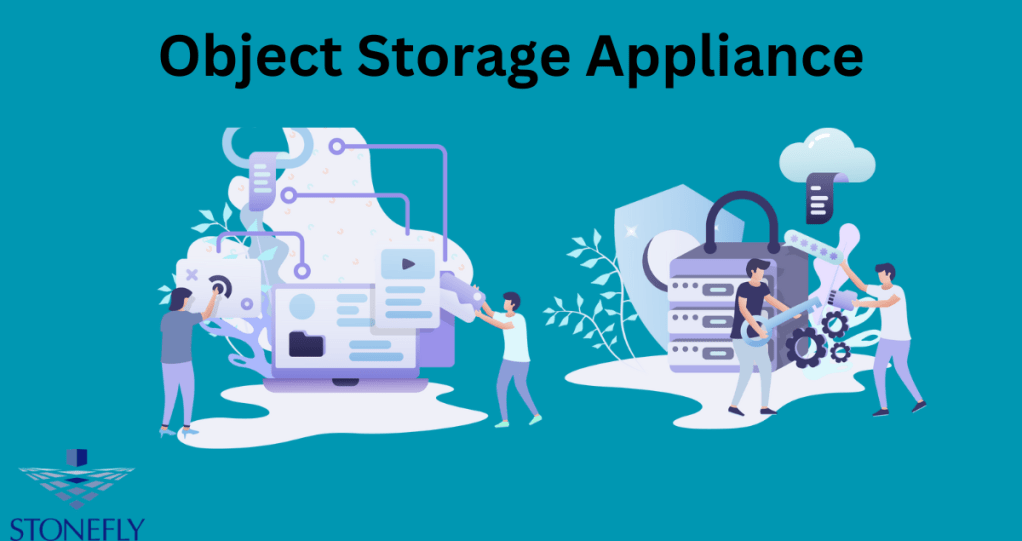
Object storage appliance is a highly scalable data storage architecture designed to manage vast amounts of unstructured data. One of the key advantages of an object storage appliance is its ability to store large volumes of data while providing high levels of durability and availability.
How does it work?
An Object Storage Appliance stores data as objects rather than traditional file systems. Objects are self-contained units that include both data and metadata, allowing for easier indexing, searching, and retrieval. Each object is assigned a unique identifier, making it easy to access and manage individual objects within the storage system.
Advantages of using an Object Storage Appliance
Scalability: Object storage appliances are designed to handle large volumes of data without any impact on performance or capacity. This makes them ideal for storing data in large enterprises or organizations with constantly growing data needs.
Durability: Object storage appliances usually have multiple copies of objects stored across different nodes, making them highly resistant to failures and ensuring that data is always available.
Flexibility: Unlike traditional file systems, object storage appliances do not have a rigid folder structure. This allows for more flexibility in organizing and managing Data, making it easier to retrieve and access specific objects.
Cost-effective: Object storage appliances are known for their cost-effectiveness compared to other forms of storage. They require minimal maintenance, have lower energy consumption rates, and can be used with commodity hardware, reducing overall costs.
Conclusion
Object storage appliances are becoming increasingly popular due to their ability to handle large volumes of data, provide high levels of durability and availability, and offer flexibility in managing and organizing data. As organizations continue to generate more and more unstructured data, object storage appliances will play a crucial role in helping them manage and store this data efficiently. So whether you’re a small business looking to store your growing data or a large enterprise with massive data needs, an object storage appliance is definitely worth considering. So why wait? Start exploring the different options available and find the perfect object storage appliance for your unique data storage needs. Happy storing!
FAQs
Q: What is an object storage appliance?
A: An object storage appliance is a data storage architecture designed to manage large volumes of unstructured data.
Q: How does it work?
A: Object storage appliances store data as self-contained objects with unique identifiers, making it easier to index, search, and retrieve specific data.
-
How S3 Object Storage Revolutionized Data Storage
StoneFly offers a comprehensive range of data storage solutions to businesses worldwide. One such solution is the S3 Object Storage, which has been proven to revolutionize the way organizations store and manage their data.
Understanding Object Storage
Object storage is a type of data storage that manages data as objects, unlike traditional block or file-based storage methods. In object storage, each object is assigned a unique identifier to enable easier access and retrieval. These objects can be of any size, from a few bytes to several terabytes, making it ideal for storing large volumes of data.
While traditional storage methods such as file and block storage are still relevant in some use cases, they are not suitable for the massive amounts of unstructured data generated by modern businesses. This is where object storage shines, as it provides a scalable, cost-effective solution for storing and managing large amounts of data.
An Introduction to S3 Object Storage
S3 (Simple Storage Service) is an object storage service offered by Amazon Web Services (AWS). It was first launched in 2006 and has since become one of the most popular cloud-based storage solutions. The “simple” in its name refers to the simplicity of its interface, making it easy to use for both developers and non-technical users.
S3 object storage works on a pay-per-use model, meaning organizations only pay for the storage space they need. This makes it an affordable option for businesses of all sizes to store their data without having to invest in expensive hardware or infrastructure.
Key Features of S3 Object Storage
Scalability:
S3 object storage is highly scalable, meaning it can adapt to the changing needs of a business without any disruption. As organizations grow and generate more data, they can easily increase their storage capacity on S3 to accommodate it.
Durability and Availability:
S3 offers 99.999999999% (11 nines) durability and 99.99% availability, making it one of the most reliable storage solutions available. This means that data stored on S3 is highly protected against loss or corruption, with multiple copies kept in different locations to ensure its availability.
Security:
S3 offers various security features to protect data from Unauthorized Access, including encryption at rest and in transit, access control lists, and bucket policies. This makes it a secure option for storing sensitive data.
Integration:
S3 seamlessly integrates with other AWS services such as Elastic Compute Cloud (EC2) and Glacier to provide a comprehensive cloud storage solution. It also supports various APIs, making it easy to integrate into existing applications and workflows.
Conclusion
S3 object storage has revolutionized data storage for businesses by providing a scalable, cost-effective, and reliable solution to store and manage large amounts of data. With its numerous features and seamless integration with other services, it’s no wonder that S3 is the top choice for many organizations globally. As data continues to grow exponentially, S3 object storage will continue to play a crucial role in helping businesses store and manage their data efficiently. So, it’s safe to say that S3 object storage is here to stay and will continue to evolve with the ever-changing data storage needs of modern businesses.
FAQs
Q: Can I use S3 object storage to store any type of data?
A: Yes, S3 supports a variety of file types and formats, making it suitable for storing all kinds of data.
Q: Is S3 object storage only available on the AWS platform?
A: Yes, currently S3 is only available as part of AWS’s cloud services. However, there are other object storage solutions available on different platforms.
-
Air Gap Backup Solutions: A New Era of Security

In today’s world, data is the lifeblood of any organization. From small businesses to large enterprises, data plays a critical role in decision-making and business operations. With the ever-growing amounts of data being generated and stored, it has become imperative for organizations to protect their data from cyber threats such as ransomware, malware, and other malicious attacks.
One of the most effective ways to protect data is through air gap backup solutions. Air gap backup involves physically disconnecting a system or network from any external networks, ensuring that it cannot be accessed remotely. This creates an “air gap” between the backed-up data and potential cyber threats, making it virtually impossible for attackers to gain access to critical data.
What are Air Gap Backup Solutions?
Air Gap Backup Solutions are a form of offline backup that involves creating and storing data backups on an isolated system, separate from the main IT infrastructure. This isolated system is either disconnected from the network or uses a dedicated offline network for data transfer. In this way, even if a cyber attack were to occur on the main network, the data stored in the air gap backup remains safe and can be used for recovery.
How do Air Gap Backup Solutions Work?
Air gap backup solutions use specialized hardware or software to create backups of critical data. These backups are then physically transferred to an isolated system using removable media, such as external hard drives, tapes, or optical disks. The isolated system is kept in a secure location, away from the main IT infrastructure.
To ensure data integrity and security, air gap backup solutions use encryption methods to protect the data during transfer and storage. This adds an extra layer of protection against potential attacks, as even if the backups are stolen or intercepted, they cannot be accessed without the decryption key.
Advantages of Air Gap Backup Solutions
Enhanced Security:
As mentioned earlier, air gap backup solutions provide an extra layer of security by physically isolating critical data from potential Cyber Threats. This makes it virtually impossible for attackers to gain access to the backed-up data.
Cost-effective:
Air gap backup solutions can be a cost-effective option for organizations, as they do not require expensive hardware or software to set up. It also eliminates the need for continuously monitoring and updating security measures, which can be a costly and time-consuming process.
Reduced Downtime:
In the event of a cyber attack or other disaster that affects the main IT infrastructure, air gap backups can quickly restore critical data without any downtime. This reduces the impact on business operations and minimizes potential losses.
Compliance:
Many industries, such as healthcare and finance, have strict regulations regarding data protection. Air gap backup solutions can help organizations comply with these regulations by providing an additional layer of security for sensitive data.
Conclusion
Air gap backup solutions provide a highly effective and secure method for protecting critical data from cyber threats. With the increasing number of cyber attacks, it has become essential for organizations to implement robust backup strategies that can safeguard their data in case of a disaster. Air gap backup solutions offer a reliable and cost-effective solution for data protection, making them a necessary tool in today’s digital world. So, it is crucial for organizations to consider implementing air gap backup solutions as part of their overall data protection strategy. By doing so, they can ensure the safety and security of their critical data in any scenario. Remember, when it comes to safeguarding your organization’s data, prevention is always better than cure!
FAQs
Q: Can air gap backup solutions be used for all types of data?
A: Yes, air gap backup solutions can be used to protect any type of data, including sensitive and confidential information.
Q: Is it necessary to have a dedicated offline network for air gap backups?
A: No, a dedicated offline network is not necessary. Air gap backups can also be transferred using removable media and stored on an isolated system.
-
S3 Storage Solutions – The Most Popular Cloud-based Storage Service
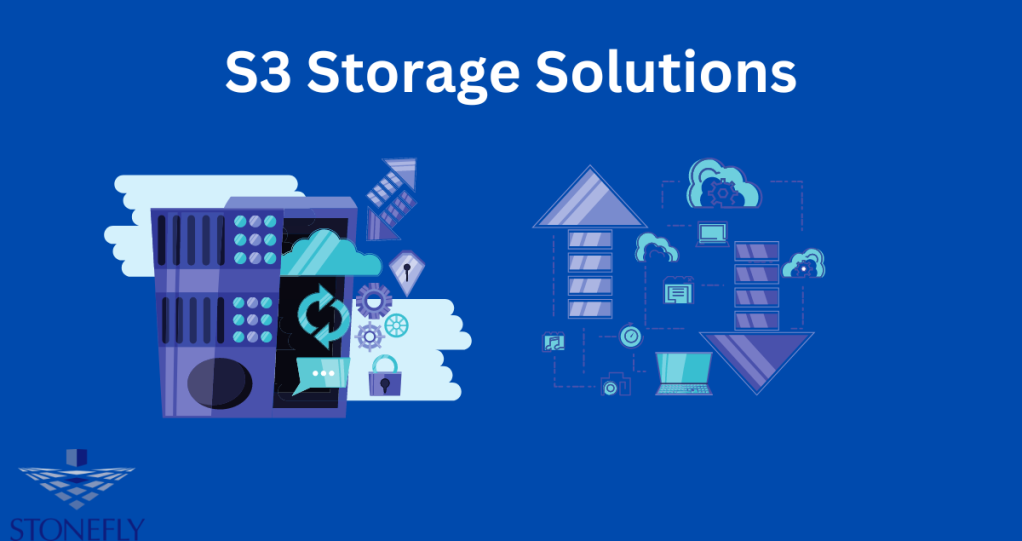
S3 Storage Solutions by StoneFly is the most popular cloud-based storage service used by businesses and individuals to store, organize, and access their data securely. With its easy to use interface, high availability, and scalability, S3 Storage Solutions has become a go-to choice for storing large amounts of data in the cloud. In this article, we will dive into the details of S3 Storage Solutions and explore why it has become the top choice for cloud storage.
What is S3 Storage Solutions?
S3 Storage Solutions is a cloud-based storage service provided by StoneFly that allows users to store, organize and access their data securely from anywhere in the world. S3 stands for Simple Storage Service, which perfectly describes its simple to use interface and easy setup process.
How StoneFly S3 Storage Solutions Works
StoneFly S3 Storage Solutions works on a pay-per-use model, allowing users to pay only for the storage they use. Users can store any amount of data in their S3 bucket and access it whenever needed without worrying about capacity constraints.
S3 Storage Solutions is highly scalable, which means that users can increase or decrease their storage capacity as per their requirements. This makes it an ideal choice for businesses with fluctuating storage needs.
Why S3 Storage Solutions is the Most Popular Choice
There are several reasons why S3 Storage Solutions has become the top choice for cloud-based storage services, including:
High Availability:
S3 Storage Solutions offers high availability to its users by storing data across different availability zones. This ensures that even if one availability zone goes down, the data can still be accessed from another zone, providing uninterrupted service to users.
Secure and Reliable:
S3 Storage Solutions uses industry-standard Encryption to ensure that all data stored in the cloud is secure. It also has built-in redundancy to protect against data loss, making it a reliable option for storing sensitive information.
Easy to Use:
S3 Storage Solutions has a user-friendly interface, making it easy to set up and manage. It also offers features such as data lifecycle management and automatic backups to simplify data management.
Cost-effective:
With its pay-per-use model, S3 Storage Solutions is a cost-effective option for businesses of all sizes. Users only pay for the storage they use, eliminating the need to invest in expensive hardware and maintenance.
Conclusion
S3 Storage Solutions by StoneFly is a popular choice for cloud-based storage, offering high availability, security, ease of use, and cost-effectiveness to its users. With its ability to scale to meet changing storage needs, it has become an essential tool for businesses of all sizes. Choose S3 Storage Solutions to securely store your data and streamline your storage management processes. So, if you are looking to move to the cloud, consider S3 Storage Solutions to experience the benefits of cloud-based storage first-hand. Let StoneFly’s S3 Storage Solutions be your trusted partner in securely storing and managing your data in the cloud.
FAQs
Q: What is S3 Storage Solutions?
A: S3 Storage Solutions is a cloud-based storage service provided by StoneFly that allows users to store, organize and access their data securely from anywhere in the world.
Q: How does S3 Storage Solutions work?
A: S3 Storage Solutions works on a pay-per-use model, meaning users only pay for the storage they use. It is highly scalable and offers high availability to its users.
-
The Advantages and Benefits of Local Object Storage
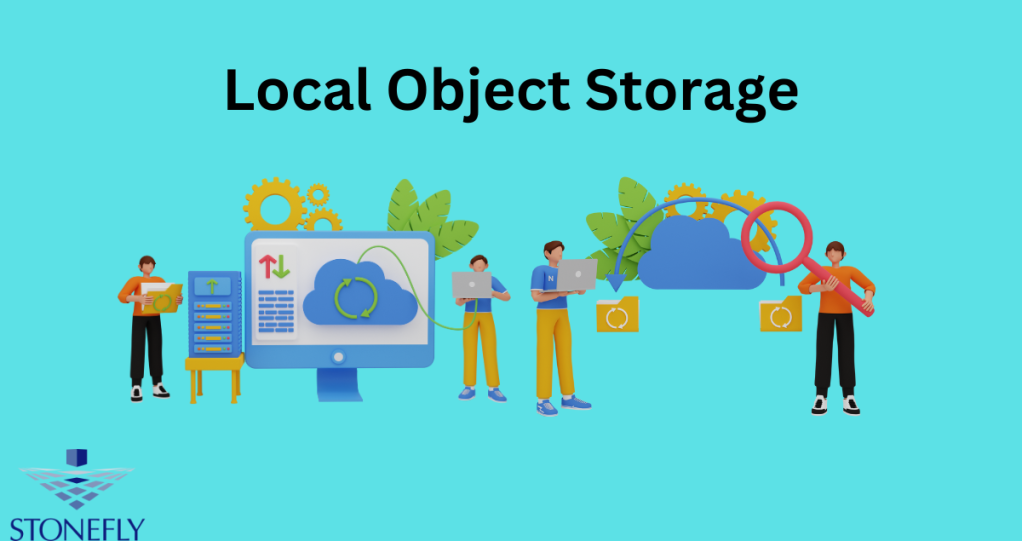
In today’s rapidly growing digital landscape, the need for efficient storage solutions has become more crucial than ever. With the increasing amount of data being generated by individuals and organizations alike, finding a reliable and cost-effective way to store this data is paramount.
One such solution that has gained popularity in recent years is Local Object Storage. In this article, we will explore what local object storage is and why it can be a game-changer for individuals and businesses looking to store their data efficiently.
Understanding Local Object Storage
Local object storage, also known as on-premises object storage, is a method of storing data within an organization’s own infrastructure rather than relying on cloud-based solutions. It involves the use of dedicated servers and storage systems located on-site, providing direct control over data management and access.
Unlike traditional file-based storage methods, local object storage utilizes a distributed architecture where data is stored as objects rather than files. These objects contain both the data itself and the associated metadata, allowing for faster retrieval and more efficient management.
Advantages of Local Object Storage
Cost-Effectiveness
One of the primary advantages of local object storage is its cost-effectiveness. By utilizing an organization’s existing infrastructure, there is no need to invest in expensive cloud-based storage solutions, making it a more budget-friendly option.
Enhanced Data Security and Control
Local object storage also offers enhanced data security and control. As all data is stored on-premises, there is no risk of third-party access or data breaches. This makes it an ideal solution for organizations that deal with sensitive or confidential information.
Moreover, as the organization has complete control over data management and storage policies, they can tailor them to their specific needs and regulations.
Faster Data Access
As mentioned earlier, local object storage uses a distributed architecture, allowing for faster data access. This is because the objects are stored with their associated metadata, eliminating the need for additional file lookups.
Additionally, organizations can implement caching mechanisms to further improve data retrieval speeds.
Scalability
Local object storage also offers scalability, allowing organizations to expand their storage capabilities as their data grows. This eliminates the need to constantly upgrade or add new hardware, making it a more efficient and cost-effective solution in the long run.
Benefits for Individuals
Local object storage is not just beneficial for organizations; individuals can also reap the benefits of this storage method. With the increasing amount of data being generated by personal devices such as smartphones, laptops, and cameras, local object storage offers an affordable and secure way to store this data without relying on cloud-based solutions.
Additionally, with the rise of remote work and the need for data accessibility from anywhere, individuals can use local object storage to store their personal Data while maintaining control over who has access to it.
Conclusion
Local object storage offers numerous advantages and benefits for both organizations and individuals. From cost-effectiveness and enhanced data security to faster data access and scalability, it is a reliable and efficient storage solution for the ever-growing digital world. So whether you are a business looking to store critical data or an individual wanting to keep your personal information safe, local object storage is definitely worth considering. So, do not hesitate to explore this innovative storage method and reap its many benefits.
FAQs
What is the difference between local object storage and cloud-based storage?
Local object storage is stored on-premises, within an organization’s own infrastructure, while cloud-based storage relies on third-party servers located in remote data centers.
Is local object storage suitable for small businesses?
Yes, local object storage can be a cost-effective and efficient solution for small businesses looking to store their data without relying on expensive cloud-based options.
-
Subscribe
Subscribed
Already have a WordPress.com account? Log in now.
 Cloud Backup services