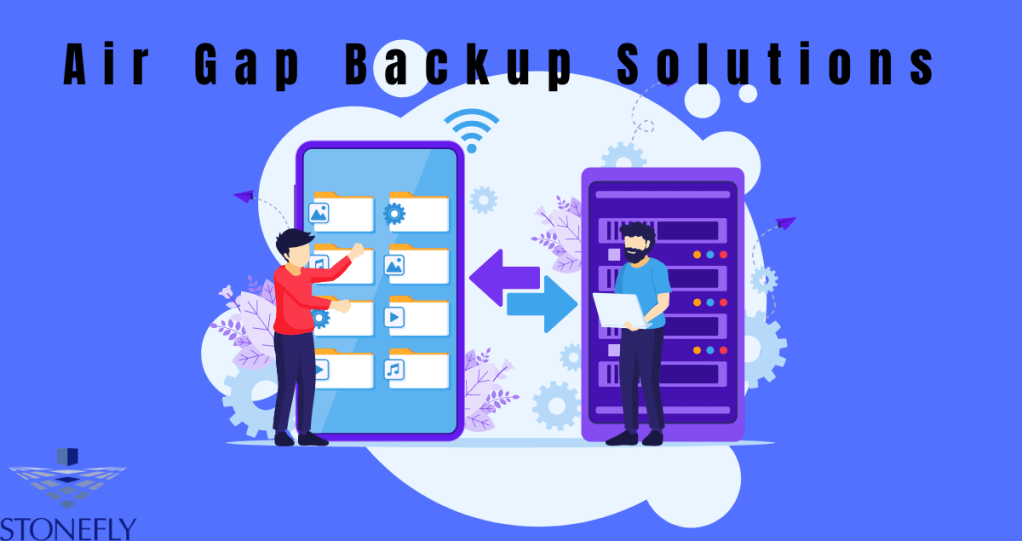
In the ever-evolving landscape of data security, Air Gap Backup Solutions stand out as a fortress against the relentless onslaught of cyber threats. As businesses increasingly rely on digital infrastructure to store sensitive information, the need for robust backup strategies becomes paramount. In this comprehensive guide, we delve into the intricacies of air gap backup solutions, exploring their significance, implementation strategies, and benefits.
Understanding Air Gap Backup Solutions
Air gap backup solutions refer to a method of data protection that physically isolates backup systems from the primary network, rendering them inaccessible to cyber threats such as malware, ransomware, and unauthorized access. By creating an air gap between the backup infrastructure and the network, organizations establish an impenetrable barrier that safeguards critical data from cyberattacks.
Implementation Strategies
Implementing air gap backup solutions requires careful planning and meticulous execution to ensure optimal efficacy. Organizations can adopt various strategies to establish air gaps effectively:
Offline Backup Storage
Storing backups on offline media such as external hard drives, tapes, or optical discs ensures complete isolation from the primary network. By disconnecting these storage devices when not in use, organizations minimize the risk of unauthorized access or data compromise.
Network Segmentation
Segmenting the network into distinct zones facilitates the creation of air gaps between critical systems and backup infrastructure. By restricting access to backup repositories, organizations mitigate the potential impact of cyber threats spreading across the network.
Regular Backup Testing
Conducting periodic tests and drills helps validate the integrity and accessibility of air-gapped backups. By simulating real-world scenarios, organizations can identify vulnerabilities and fine-tune their backup strategies to enhance resilience against emerging threats.
Benefits of Air Gap Backup Solutions
The adoption of air gap backup solutions offers numerous benefits, including:
Enhanced Security
By physically isolating backup systems from the primary network, air gap solutions provide an additional layer of defense against cyber threats. This proactive approach helps prevent data loss and minimize the impact of security breaches.
Regulatory Compliance
Many industries have stringent regulatory requirements regarding data protection and privacy. Air gap backup solutions enable organizations to comply with regulatory standards by ensuring the integrity and confidentiality of sensitive information.
Resilience to Cyber Attacks
In the event of a cyber attack or network compromise, air-gapped backups remain unaffected, allowing organizations to restore operations swiftly and minimize downtime. This resilience is invaluable in mitigating the financial and reputational damage associated with data breaches.
Conclusion
In an era defined by relentless cyber threats, air gap backup solutions emerge as a beacon of hope for organizations seeking to safeguard their digital assets. By implementing robust strategies and embracing best practices, businesses can fortify their defenses against evolving security challenges and ensure continuity in the face of adversity.
FAQs
How does an air gap backup solution differ from traditional backup methods?
An air gap backup solution differs from traditional backup methods primarily in its approach to data protection. While traditional backups may involve storing data on connected devices or within the same network infrastructure, air gap solutions create a physical barrier between the backup system and the primary network. This isolation ensures that even if the primary network is compromised by cyber threats, the backup remains secure and accessible, safeguarding critical data from loss or corruption.
What industries can benefit from implementing air gap backup solutions?
Various industries can benefit from implementing air gap backup solutions, particularly those that handle sensitive or regulated data. Sectors such as finance, healthcare, government, and legal services often face stringent regulatory requirements regarding data protection and privacy. By adopting air gap solutions, organizations in these industries can ensure compliance with regulatory standards while enhancing their resilience to cyber attacks and mitigating the risk of data breaches.

 Cloud Backup services